PCOS and Fertility: How to Improve Your Chances of Conception with Polycystic Ovary Syndrome


PCOS and Fertility: How to Improve Your Chances of Conception with Polycystic Ovary Syndrome
Polycystic Ovary Syndrome (PCOS) is the most common hormonal disorder in women of reproductive age, affecting an estimated 8–13% of women globally, according to the World Health Organization. In Europe, studies suggest that PCOS affects approximately 1 in 10 women, with many cases going undiagnosed for years. It is also the leading cause of anovulatory infertility — infertility caused by irregular or absent ovulation.
If you have been diagnosed with PCOS and are trying to conceive, this guide will walk you through everything you need to know: how PCOS affects fertility, the evidence-based strategies that improve your chances of conception, the role of specific nutrients and supplements, and how to work effectively with your healthcare provider toward your goal of pregnancy.
What is PCOS and How Does it Affect Fertility?
PCOS is a complex endocrine disorder characterised by a combination of three features, as defined by the Rotterdam Criteria (the most widely used diagnostic standard in Europe):
- Polycystic ovaries on ultrasound (ovaries containing 20 or more follicles, or ovarian volume greater than 10 ml)
- Irregular or absent menstrual periods (oligo- or anovulation)
- Evidence of excess androgens (male hormones) — either clinical signs such as hirsutism (excess body hair), acne, or male-pattern hair thinning, or elevated androgen levels in blood tests
A diagnosis of PCOS requires the presence of at least two of these three criteria. Importantly, you do not need to have visible cysts on your ovaries to have PCOS — the "polycystic" appearance refers to multiple small follicles that fail to mature and release an egg.
The fertility impact of PCOS is primarily through disruption of ovulation. In a typical menstrual cycle, one dominant follicle grows and releases a mature egg at ovulation. In PCOS, elevated levels of LH (luteinising hormone) and androgens disrupt this maturation process, causing multiple follicles to start developing but none to fully mature and ovulate. This means that some women with PCOS may go months without ovulating at all, making natural conception significantly more difficult.
Additionally, the hormonal environment of PCOS — with elevated testosterone and LH — can affect egg quality and the receptivity of the uterine lining, further complicating conception even when ovulation does occur.
However — and this is crucial — PCOS is not infertility. The vast majority of women with PCOS can and do conceive, either naturally or with targeted support. Understanding the specific mechanisms at play in your case is the first step toward addressing them effectively.
The Link Between Insulin Resistance and PCOS
Recommended by Fertility Experts
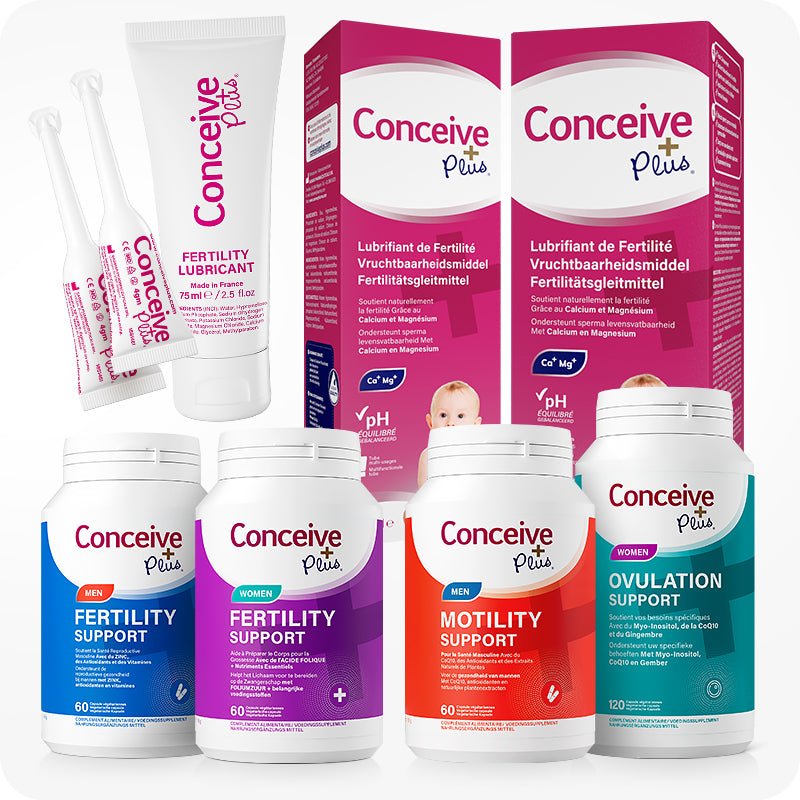
Conceive Plus PCOS Support Range
Designed specifically for women with PCOS, our targeted fertility supplements support hormonal balance and ovulation regularity.
Shop Now →One of the most important — and often underappreciated — aspects of PCOS is its connection to insulin resistance. Research suggests that approximately 70–80% of women with PCOS have some degree of insulin resistance, regardless of body weight. This is true even in lean women with PCOS.
Insulin resistance occurs when cells become less responsive to insulin, the hormone that helps glucose enter cells for energy. The pancreas compensates by producing more insulin, leading to elevated blood insulin levels (hyperinsulinaemia). In PCOS, this excess insulin has several damaging effects on reproductive function:
Stimulates androgen production: Insulin directly stimulates the ovarian theca cells to produce more testosterone. Elevated testosterone then interferes with follicle maturation and ovulation.
Reduces sex hormone-binding globulin (SHBG): SHBG is a protein that binds to testosterone, keeping it biologically inactive. Insulin suppresses SHBG production, leaving more free (active) testosterone in circulation.
Disrupts the LH surge: Elevated insulin levels affect the hypothalamic-pituitary axis, altering the ratio of LH to FSH and interfering with the hormonal trigger for ovulation.
This connection to insulin resistance is why some of the most effective lifestyle interventions for PCOS — dietary changes and exercise — work primarily by improving insulin sensitivity. Even modest improvements in insulin response can have meaningful effects on ovulation frequency and androgen levels.
Diet and Lifestyle Changes for PCOS
The evidence base for dietary and lifestyle modification in PCOS is substantial. A systematic review published in the Journal of the Academy of Nutrition and Dietetics found that dietary intervention consistently improved hormonal profiles, ovulation rates, and pregnancy rates in women with PCOS. Key evidence-based recommendations include:
Adopt a low-glycaemic index (low-GI) diet: Foods with a low glycaemic index cause slower, more gradual rises in blood sugar and insulin. A meta-analysis of 6 randomised controlled trials found that low-GI diets significantly reduced free androgen index, improved menstrual regularity, and improved insulin sensitivity in women with PCOS. Choose whole grains, legumes, non-starchy vegetables, and fruits over refined carbohydrates, sugary drinks, and processed foods.
Consider a Mediterranean-style approach: The Mediterranean diet — emphasising olive oil, vegetables, legumes, whole grains, fish, and moderate amounts of lean protein — has been studied specifically in European women with PCOS and shown to improve insulin sensitivity, reduce inflammation, and support more regular ovulation. A 2020 study from Spain found adherence to the Mediterranean diet was associated with higher AMH levels and better ovarian reserve in PCOS patients.
Exercise regularly: Both aerobic exercise and resistance training improve insulin sensitivity and reduce androgens in PCOS. The European Society for Human Reproduction and Embryology (ESHRE) and the American Society for Reproductive Medicine (ASRM) jointly recommend at least 150 minutes of moderate-intensity exercise per week as a first-line treatment for overweight women with PCOS. Even in women with a healthy BMI, regular exercise has been shown to improve ovulation frequency.
Achieve and maintain a healthy weight: In overweight women with PCOS, even a 5–10% reduction in body weight has been shown to significantly improve hormonal profiles, restore ovulatory cycles, and improve pregnancy rates. A seminal study in Human Reproduction found that 55% of overweight anovulatory women with PCOS began ovulating after losing just 5% of their body weight.
Reduce stress: Chronic psychological stress can worsen insulin resistance and raise cortisol levels, which may further disrupt ovulation. Mindfulness-based stress reduction, yoga, and cognitive behavioural therapy (CBT) have all shown benefit in PCOS research.
Limit alcohol and avoid smoking: Both alcohol and tobacco increase androgen levels and worsen insulin resistance. European health guidelines recommend avoiding both when trying to conceive.
Medical Treatments for PCOS-Related Infertility
When lifestyle changes alone are insufficient, several evidence-based medical treatments are available through fertility specialists across Europe:
Letrozole (Femara): An aromatase inhibitor, letrozole is now recognised by ESHRE and ASRM as the first-line pharmacological ovulation induction agent for women with PCOS. It works by temporarily reducing oestrogen production, which causes the pituitary to release more FSH, stimulating follicle growth. Multiple randomised trials have found letrozole superior to clomiphene citrate (the traditional first-line agent) for ovulation induction in PCOS, with higher live birth rates and lower risk of multiple pregnancy.
Clomiphene Citrate: Still widely used across Europe, clomiphene citrate blocks oestrogen receptors in the hypothalamus, triggering FSH release and follicle stimulation. It is effective in approximately 70–80% of PCOS patients for inducing ovulation. However, letrozole has largely superseded it as preferred first-line therapy in current guidelines.
Metformin: An insulin-sensitising medication commonly used for type 2 diabetes, metformin is also prescribed for women with PCOS, particularly those with confirmed insulin resistance or who are overweight. It improves menstrual regularity and ovulation frequency by reducing circulating insulin levels. ESHRE guidelines recommend considering metformin alongside lifestyle modification, particularly for women who don't achieve adequate response with lifestyle changes alone.
Gonadotrophin injections: For women who don't respond to oral ovulation induction agents, injectable FSH (gonadotrophins) can directly stimulate follicle growth. These require careful monitoring with blood tests and ultrasounds due to the risk of ovarian hyperstimulation syndrome (OHSS).
Laparoscopic Ovarian Drilling (LOD): A surgical procedure that uses electrocautery or laser to make small punctures in the ovary, reducing androgen-producing tissue. It can restore ovulation in many PCOS patients and is particularly useful when gonadotrophins are not tolerated or accessible.
IVF: In vitro fertilisation may be recommended when other treatments have failed, or when there are additional infertility factors. Women with PCOS have good egg production for IVF but require careful stimulation protocols to avoid OHSS.
The Role of Inositol in PCOS Management
Among nutritional supplements studied for PCOS, inositol stands out as the most extensively researched and clinically supported. Inositol is a naturally occurring carbohydrate that acts as a secondary messenger in insulin signalling pathways. Two forms are most clinically relevant in PCOS:
Myo-Inositol (MI): The most abundant form in the body. Research has found that women with PCOS have reduced myo-inositol levels in follicular fluid, which impairs FSH signalling and egg maturation. Supplementation with myo-inositol has been shown in multiple randomised controlled trials to improve insulin sensitivity, reduce androgen levels, restore menstrual regularity, and improve egg quality.
D-Chiro-Inositol (DCI): Converted from myo-inositol in insulin-sensitive tissues, DCI plays a specific role in glycogen synthesis and androgen metabolism. Women with PCOS have been found to have impaired conversion of MI to DCI.
The optimal supplementation strategy has been studied extensively. A landmark Italian study found that a combination of myo-inositol and D-chiro-inositol in a ratio of 40:1 — matching the physiological ratio in the body — produced superior outcomes compared to either form alone. A comprehensive 2019 meta-analysis in Gynecological Endocrinology concluded that combined MI/DCI supplementation significantly improved clinical pregnancy rates, hormonal profiles, and insulin sensitivity in PCOS patients.
Notably, a 2011 study published in Reproductive BioMedicine Online found that myo-inositol supplementation restored spontaneous ovulation in 65% of women with PCOS who had previously been anovulatory — a striking finding that has been replicated in multiple subsequent trials.
Additional supplements with evidence supporting their use in PCOS include:
Folate/Methylfolate: Essential for cell division and DNA synthesis. Women with PCOS may have impaired folate metabolism due to MTHFR gene variants, making methylfolate (the bioavailable form) a preferred choice over synthetic folic acid.
Vitamin D: Deficiency is common in PCOS and correlates with insulin resistance severity. Supplementation has been shown to improve insulin sensitivity and menstrual regularity.
Omega-3 Fatty Acids: EPA and DHA have anti-inflammatory effects and have been shown to reduce testosterone levels and improve menstrual regularity in women with PCOS.
Chromium: Supports insulin receptor function and glucose metabolism. Some studies have found chromium supplementation improves insulin sensitivity in PCOS.
Tracking Ovulation with PCOS
One of the greatest challenges for women with PCOS is knowing when — or if — they are ovulating. Standard calendar-based ovulation prediction is unreliable in PCOS because cycles are irregular. However, several tools can help:
Ovulation Predictor Kits (OPKs): OPKs detect the LH surge that triggers ovulation. The challenge in PCOS is that LH levels are already elevated as a baseline feature of the condition, which can cause false-positive readings. A positive OPK in PCOS may represent the beginning of an LH surge that doesn't result in ovulation. Using digital monitors that also track oestrogen (which should rise before the LH surge) provides greater accuracy.
Ultrasound Monitoring: The gold standard for tracking follicle development and confirming ovulation in PCOS. This is done in fertility clinics, typically when undergoing monitored ovulation induction cycles.
Progesterone Blood Test: A serum progesterone level checked 7 days before your expected period (so around day 21 of a 28-day cycle, or proportionally later in longer cycles) above 30 nmol/L confirms ovulation occurred. This is particularly valuable in PCOS to confirm that a cycle was ovulatory.
Basal Body Temperature (BBT): The post-ovulatory temperature rise can confirm ovulation occurred, though it may not always be clearly defined in PCOS. It's most useful in combination with other methods.
Cycle Tracking Apps with PCOS Mode: Some fertility apps now include PCOS-specific algorithms that account for variable cycle lengths. These can help identify patterns over time and track supplementation and lifestyle interventions.
Conceive Plus Ovulation Support for PCOS
Conceive Plus has developed a range of products specifically designed to support women with PCOS on their fertility journey, based on the latest clinical evidence:
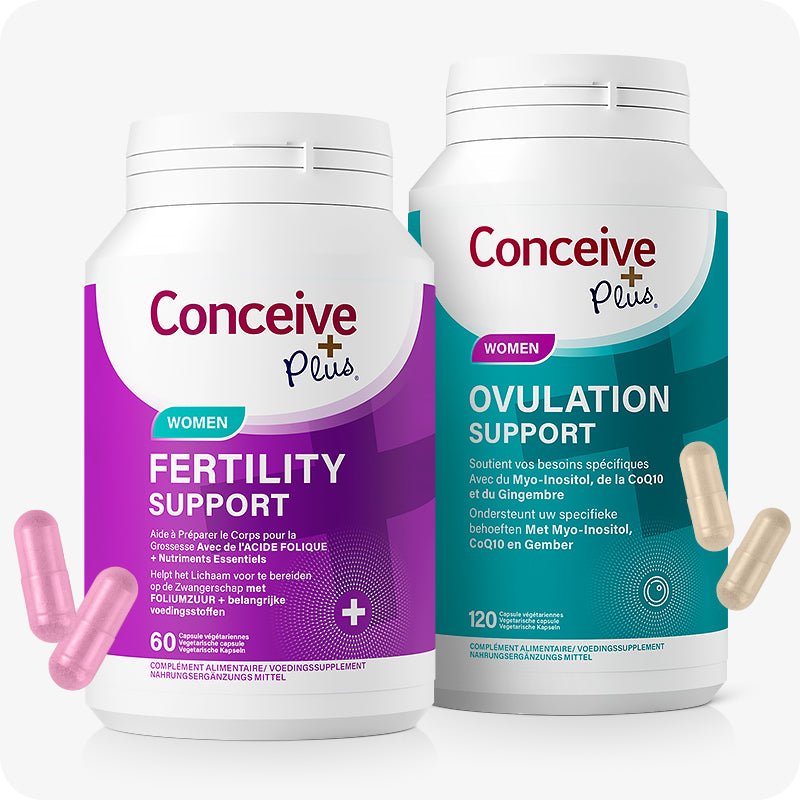
Conceive Plus Ovulation Support with Myo-Inositol: Formulated with pharmaceutical-grade myo-inositol and D-chiro-inositol in a clinically researched ratio, alongside folate, vitamin D3, and chromium. This combination directly targets the key nutritional deficiencies and metabolic disruptions associated with PCOS. Clinical research supports this combination for improving ovulation frequency, hormone balance, and egg quality.
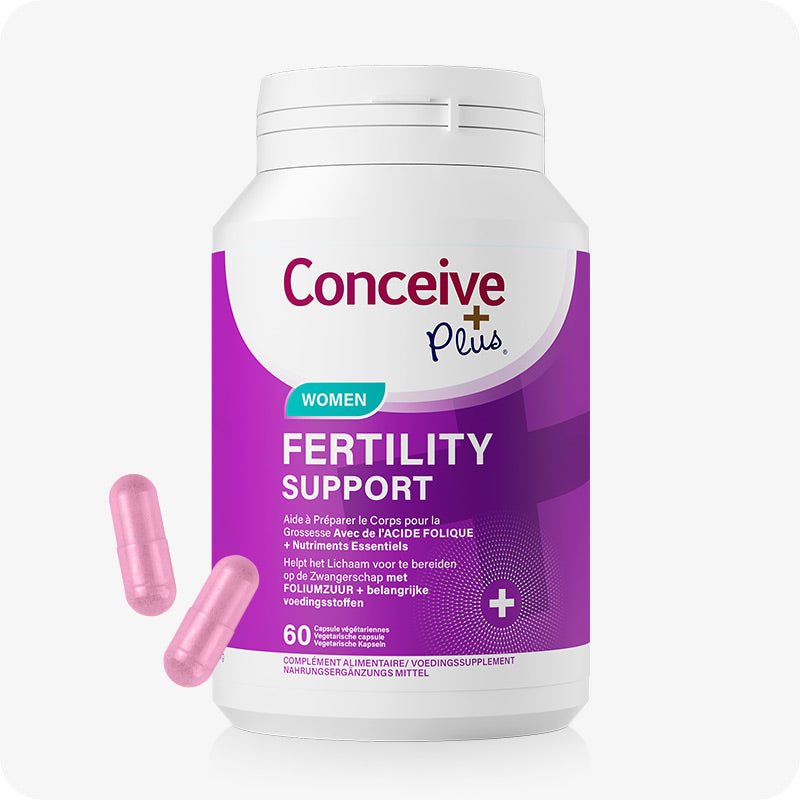
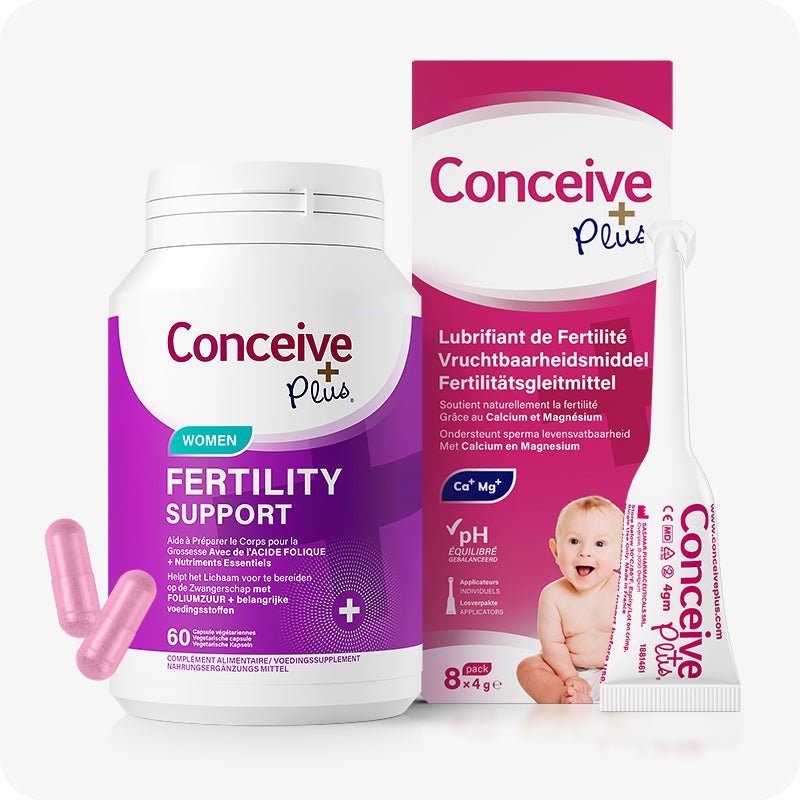
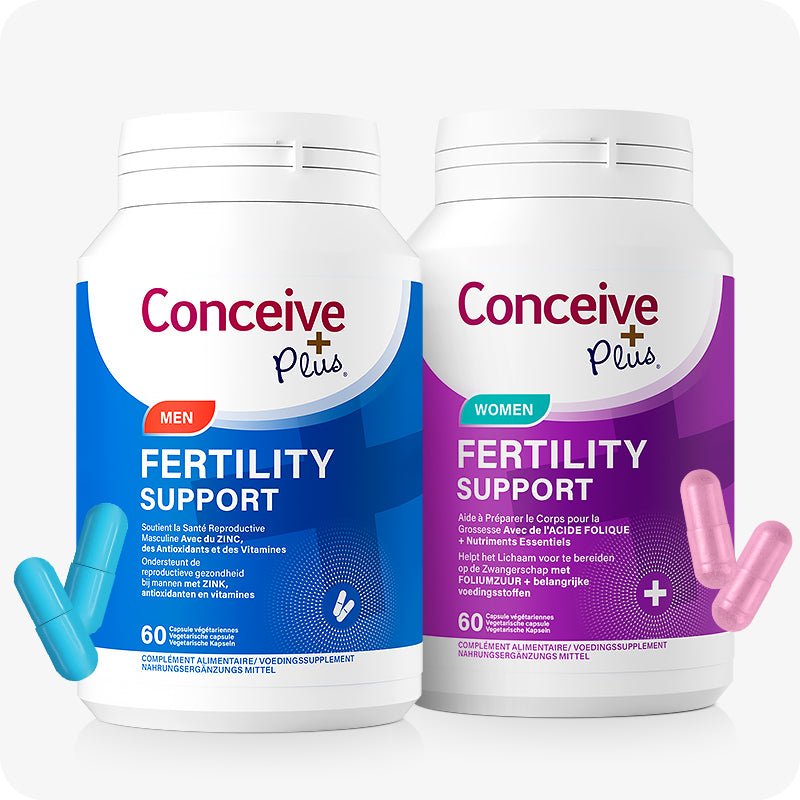
Conceive Plus Women's Fertility Support Multivitamin: A comprehensive prenatal multivitamin with methylfolate (400 mcg), CoQ10, zinc, selenium, and vitamin D3 — addressing the broad nutritional needs of women trying to conceive with PCOS.
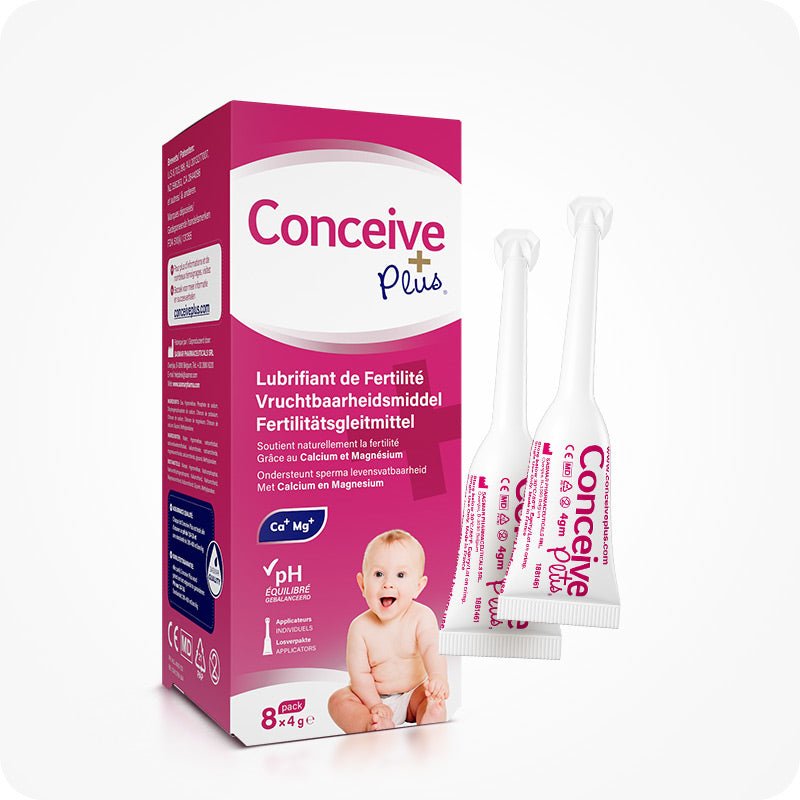
Conceive Plus Fertility Lubricant: When ovulation finally occurs with PCOS, maximising that window is critical. Conceive Plus Fertility Lubricant is sperm-safe, matching the pH and osmolality of fertile cervical mucus to support sperm transit without the damage caused by conventional lubricants.
When addressing PCOS-related fertility, a multi-pronged approach combining lifestyle modification, targeted supplementation, and medical support as needed gives you the best possible chance of achieving pregnancy. Conceive Plus products are designed to complement this approach — supporting your body's natural fertility mechanisms while addressing the specific nutritional gaps associated with PCOS.
Frequently Asked Questions About PCOS and Fertility
Q: Can I get pregnant naturally with PCOS?
A: Yes. Many women with PCOS conceive naturally, particularly those who ovulate intermittently. The chances of natural conception are further improved with lifestyle modification, appropriate nutritional support, and accurate ovulation tracking. Research from the University of Amsterdam found that within 2 years, more than 70% of women with PCOS who received lifestyle coaching achieved pregnancy.
Q: Does PCOS get worse over time?
A: PCOS itself doesn't "worsen" in a linear fashion, but untreated insulin resistance can progress over time, and the long-term metabolic consequences (type 2 diabetes, cardiovascular disease) are real. Managing PCOS proactively through lifestyle is important not just for fertility but for long-term health.
Q: I was told my PCOS means I'll never conceive. Is that true?
A: No. This is a harmful misconception. PCOS is the most common cause of anovulatory infertility, but it is also one of the most treatable. With appropriate interventions — lifestyle modification, ovulation induction medication, and in some cases IVF — the vast majority of women with PCOS can achieve pregnancy.
Q: Can inositol supplements replace my metformin prescription?
A: Please do not stop any prescribed medication without discussing it with your doctor. Some studies have found myo-inositol comparable to metformin in certain outcomes with fewer side effects, but your fertility specialist should guide your treatment plan based on your specific hormonal profile and medical history.
Q: How long should I take inositol before expecting results?
A: Most clinical trials run supplementation for 3–6 months and find improvements in menstrual regularity and ovulation typically begin within 2–3 months. Give it at least 3 months of consistent use before assessing the effect.
Q: Does losing weight cure PCOS?
A: PCOS is not "cured" by weight loss — it is a genetic condition. However, weight loss in overweight women with PCOS dramatically improves the hormonal disruption and often restores ovulation, effectively making symptoms minimal or remitting. Even lean women with PCOS benefit from dietary and lifestyle improvements that address insulin sensitivity.
Q: Can I use standard OPK tests with PCOS?
A: Standard OPKs can give false positives in PCOS due to elevated baseline LH. Digital fertility monitors that track both estrogen and LH (such as Clearblue Advanced) or hormone monitors like Mira provide more reliable results for women with PCOS.
Q: Is PCOS hereditary?
A: Yes, PCOS has a significant genetic component. First-degree relatives (mothers, sisters) of women with PCOS have approximately 50% risk of also having the condition. If PCOS runs in your family, early screening and proactive lifestyle management are advisable.
Your PCOS Fertility Journey: Next Steps
PCOS is a complex condition, but it is far from an insurmountable barrier to pregnancy. With the right combination of evidence-based lifestyle changes, targeted nutritional supplementation, accurate ovulation tracking, and medical support when needed, you have every reason for optimism on your journey to conception.
Conceive Plus is committed to supporting women with PCOS at every step — with products formulated on clinical evidence and designed specifically for the fertility needs of women navigating this journey. We encourage you to work with a qualified fertility specialist familiar with PCOS, combine their guidance with a foundation of healthy lifestyle choices, and approach your fertility journey with patience, knowledge, and hope.
This article is for informational purposes only and does not constitute medical advice. If you have PCOS and are trying to conceive, please consult a qualified reproductive endocrinologist or fertility specialist. In Europe, fertility services are available through national health systems and private clinics certified by ESHRE member organisations.
Trusted by Couples in Over 70 Countries
Your PCOS Fertility Journey Starts Here
Trusted by thousands of women across Europe. Conceive Plus offers a scientifically formulated range to support your path to conception.
Explore the Range →