Age and Fertility: What Every Woman and Man Needs to Know About Their Reproductive Timeline


The Biological Clock: Understanding Age and Female Fertility

Age is the single most important factor in female fertility. A woman is born with all the eggs she will ever have, approximately 1-2 million at birth, declining to about 300,000 by puberty and fewer than 25,000 by age 37. Not only does quantity decline, but egg quality declines too. Older eggs are more likely to have chromosomal abnormalities, which explains why miscarriage rates rise from about 10% in women under 30 to over 50% in women over 40. Fertility peaks in the early-to-mid 20s, begins a gradual decline around age 32, accelerates after age 35, and drops steeply after age 40.
Male Fertility and Age: The Often Overlooked Factor
While the decline in male fertility with age is more gradual than in women, it is real and significant. After age 40, men experience a gradual decline in sperm quality: sperm motility decreases by about 0.7% per year. More importantly, sperm DNA fragmentation increases with age, linked to lower fertilisation rates and higher miscarriage risk. A 2020 study in JAMA Network Open found that pregnancies fathered by men over 45 were 48% more likely to end in miscarriage compared to those fathered by men under 35.
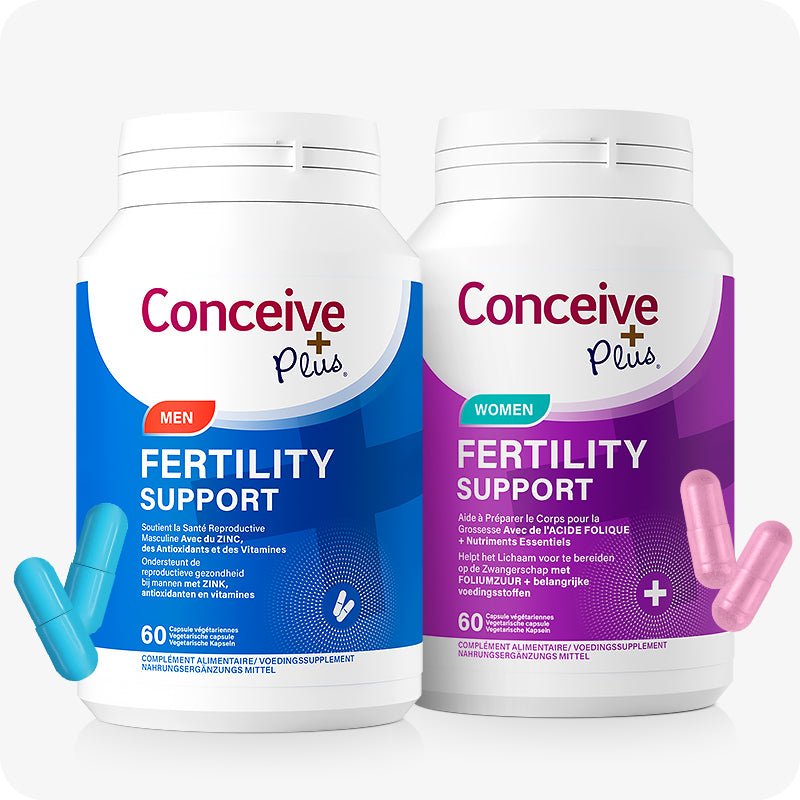
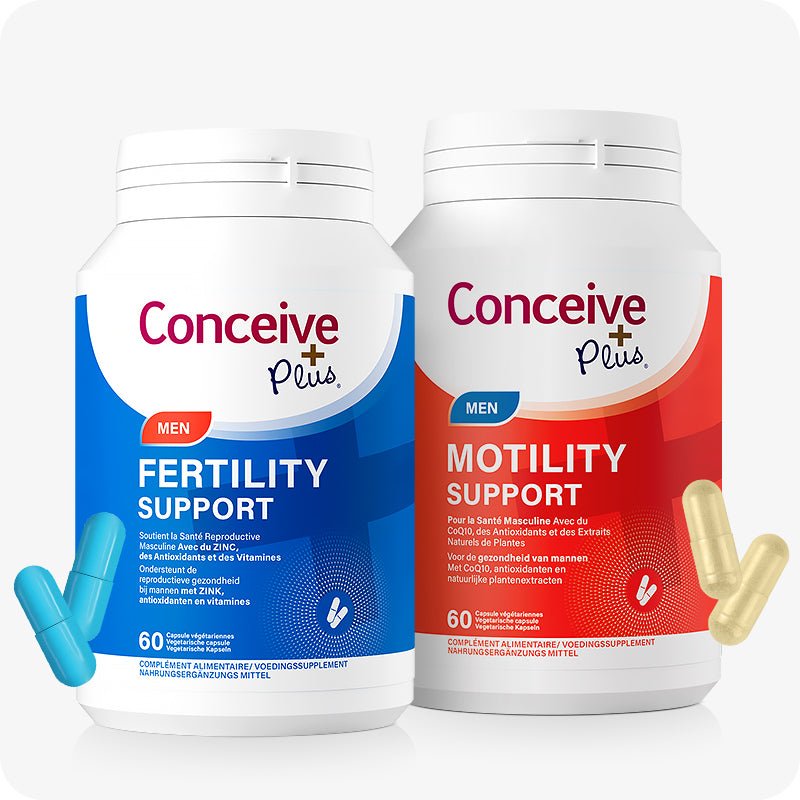
Every cycle counts at every age. Conceive Plus supports your journey, whatever stage of life. Shop now.
Fertility Testing by Age: What to Test and When
Age-based fertility testing can guide your family planning decisions. For women under 30, basic AMH testing provides a snapshot of ovarian reserve. For women 30-35, testing after 6-12 months is appropriate. For women over 35, earlier testing is recommended before you start trying or after 6 months of unsuccessful attempts. Key tests include AMH, FSH and oestradiol (day 2-3), antral follicle count via ultrasound, and TSH. For men over 40, a baseline semen analysis is sensible.
Fertility Preservation: Options at Every Age
Fertility preservation through egg or embryo freezing has become increasingly accessible. For women in their 20s and early 30s, eggs frozen at age 30 have excellent thaw survival rates of 90-95% and IVF success rates comparable to fresh eggs. The ideal age for elective egg freezing is under 35. Costs range from $5,000-$15,000 per cycle plus storage fees. For men, sperm banking is simple, affordable, and effective at any age.
Navigating Age-Related Fertility Challenges: Treatment Options
If you are over 35 and have been trying for 6 months without success, see a fertility specialist. Treatment options include ovulation induction with letrozole or clomiphene, intrauterine insemination (IUI), and IVF. For women over 40, IVF with preimplantation genetic testing can increase the chances of a successful pregnancy. Donor eggs offer excellent success rates, with live birth rates per transfer exceeding 50% regardless of the recipient age.
Optimising Your Fertility at Every Age with Conceive Plus
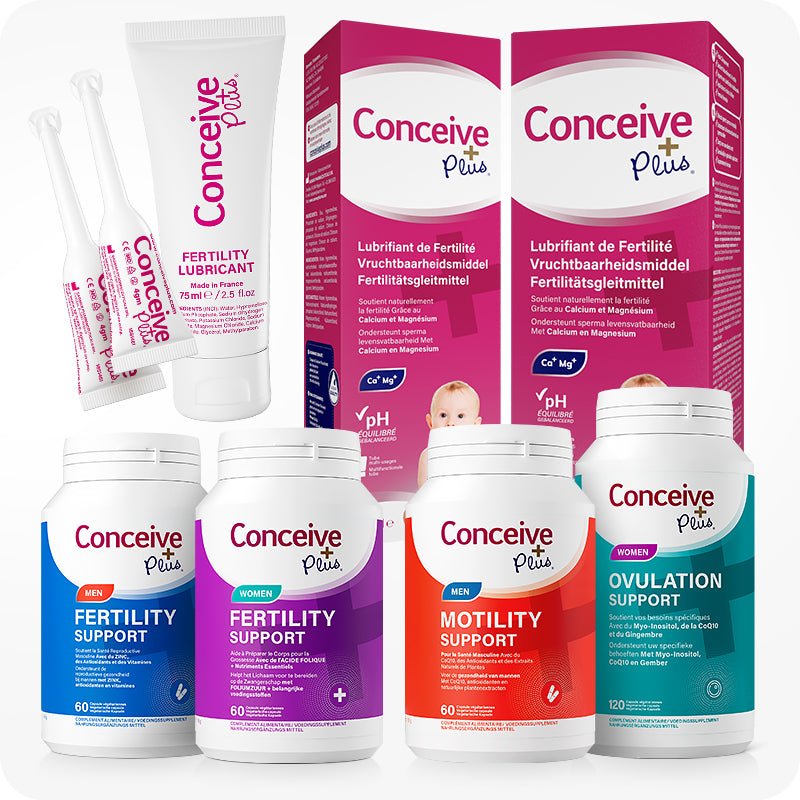
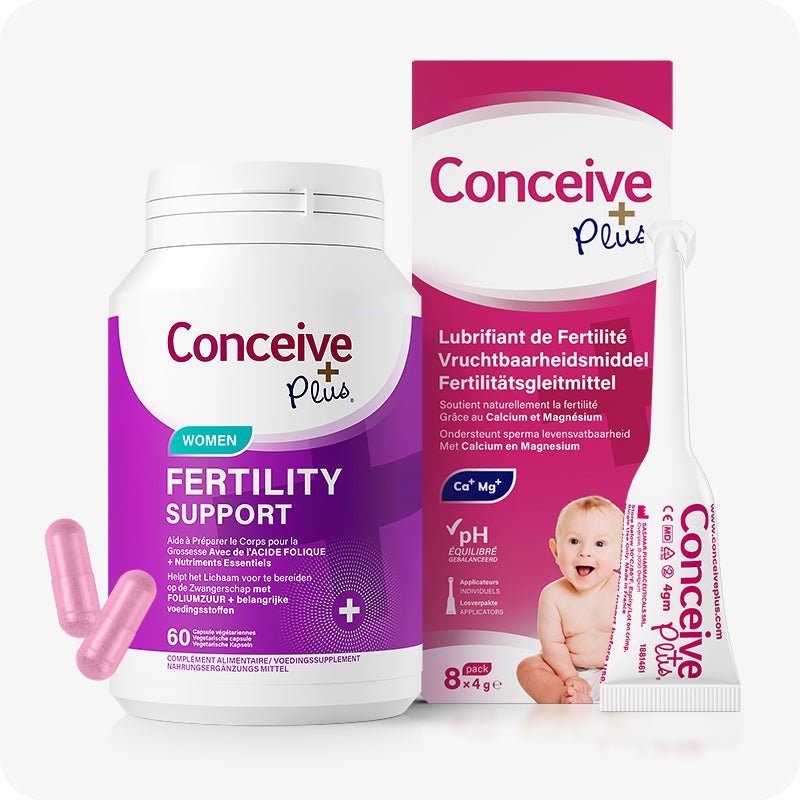
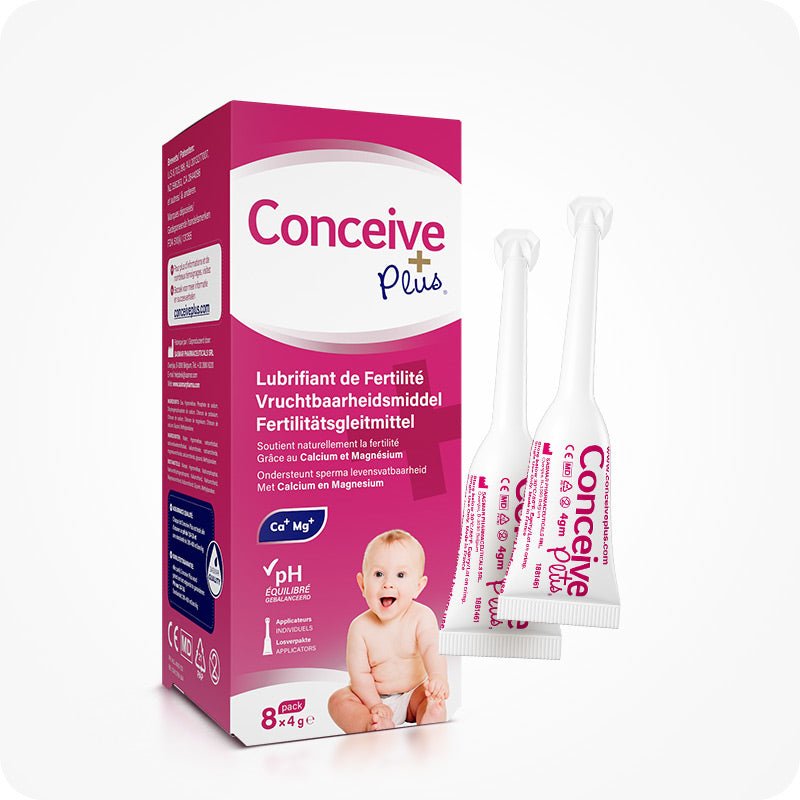
No matter your age, optimising every attempt at conception matters. As we age, the quality and quantity of cervical mucus can decline, making it harder for sperm to reach the egg. Conceive Plus fertility lubricant is scientifically formulated to supplement or replace natural cervical mucus, providing an optimal environment for sperm motility and survival. It is isotonic and pH-balanced to match fertile cervical fluid, and clinical studies confirm it preserves sperm viability. Conceive Plus is compatible with all fertility treatments.
Frequently Asked Questions
At what age does female fertility start to decline?
Fertility begins a gradual decline around age 32, with more rapid decline after 35. By 40, natural conception drops to about 5% per cycle.
Can I improve my egg quality at 40?
You cannot improve existing eggs, but supplements like CoQ10 may support mitochondrial function.
Does male age affect IVF success?
Yes. Paternal age over 40 is associated with lower fertilisation rates and higher miscarriage rates.
What is the best age to freeze eggs?
Under 35 is ideal. Frozen eggs have thaw survival rates of 90-95%.
How quickly should I see a specialist?
Under 35: after 12 months. Age 35-40: after 6 months. Over 40: seek help immediately.
Can I get pregnant naturally at 42?
Possible but unlikely at 1-3% per cycle. Many pursue IVF or donor egg treatment.
Does age affect miscarriage rates?
Yes. Rates rise from 10% under 30 to 20% at 35, 40% at 40, and over 50% at 45.
Can lifestyle offset age-related decline?
Lifestyle supports overall health but cannot reverse age-related egg decline.
Does Conceive Plus help older couples?
Yes. As cervical mucus declines with age, Conceive Plus provides reliable support.
Should I consider donor eggs?
For women over 42 with low AMH, donor eggs offer the best pregnancy chances.
Every cycle counts at every age. Conceive Plus supports your journey, whatever stage of life. Shop now.