IVF Preparation: How to Optimise Your Body Before IVF Treatment


Undergoing IVF (in vitro fertilisation) is one of the most significant medical journeys a couple can take. While your clinic handles the medical protocol, what you do in the months leading up to treatment can meaningfully influence your outcomes. Emerging research shows that lifestyle factors, nutrition, supplementation, and mental health preparation all play measurable roles in IVF success rates.
This comprehensive guide covers everything you need to know about preparing your body — and mind — for IVF, based on the latest clinical evidence. Whether your treatment starts in three months or six, starting preparation now gives you the best possible foundation.
Why IVF Preparation Matters
IVF success rates vary significantly depending on age, diagnosis, and clinic protocols — but they're also affected by modifiable factors within your control. A 2019 systematic review in Reproductive BioMedicine Online found that adherence to healthy lifestyle behaviours before IVF was associated with significantly improved live birth rates.
Key facts about IVF and preparation:
- Egg development (folliculogenesis) takes approximately 90 days, so changes made now affect the eggs retrieved in your IVF cycle
- Sperm development (spermatogenesis) takes approximately 74 days — male partner preparation is equally important
- Uterine receptivity for implantation can be improved through targeted lifestyle interventions
- Psychological stress is associated with poorer IVF outcomes in some studies — mental health preparation matters
The goal of IVF preparation is not to treat any specific medical condition but to optimise the biological environment in which your treatment occurs. Think of it as creating the ideal conditions for your embryos to develop and implant successfully.
Key Supplements for IVF Success
Nutritional supplementation before IVF has strong research backing. Here are the supplements with the best evidence base:
Folic Acid / Methylfolate
Folate is critical for DNA synthesis, cell division, and neural tube development in early pregnancy. Ideally begin supplementation at least 3 months before egg retrieval. The standard dose is 400–800 mcg/day. Women with MTHFR gene variants should use methylfolate (the active form) rather than synthetic folic acid.
Coenzyme Q10 (CoQ10)
CoQ10 is essential for mitochondrial energy production within the egg. Egg cells have among the highest mitochondrial density of any cell in the body — and mitochondrial function is a primary determinant of egg quality. Several randomised controlled trials have shown that CoQ10 supplementation (400–600 mg/day of the ubiquinol form) improves ovarian response, egg quality, and embryo quality in women undergoing IVF, particularly those over 35 or with diminished ovarian reserve.
DHEA
Dehydroepiandrosterone (DHEA) is a precursor hormone that the body converts to androgens and oestrogens. Several studies have found that DHEA supplementation (25–75 mg/day) for 6–12 weeks before IVF improves ovarian response, particularly in women with poor ovarian reserve. This supplementation should only be used under medical supervision.
Vitamin D
Vitamin D deficiency is strongly associated with lower IVF success rates. A 2019 meta-analysis found that women with adequate vitamin D levels (>75 nmol/L) had significantly higher clinical pregnancy rates and live birth rates per IVF cycle. Get your levels tested and supplement accordingly — typically 2000–4000 IU/day with your doctor's guidance.
Omega-3 Fatty Acids
DHA and EPA support egg membrane integrity, reduce inflammation in the uterine environment, and may improve endometrial receptivity. Aim for 1–2 g/day of combined DHA/EPA from a high-quality fish oil or algae-based supplement.
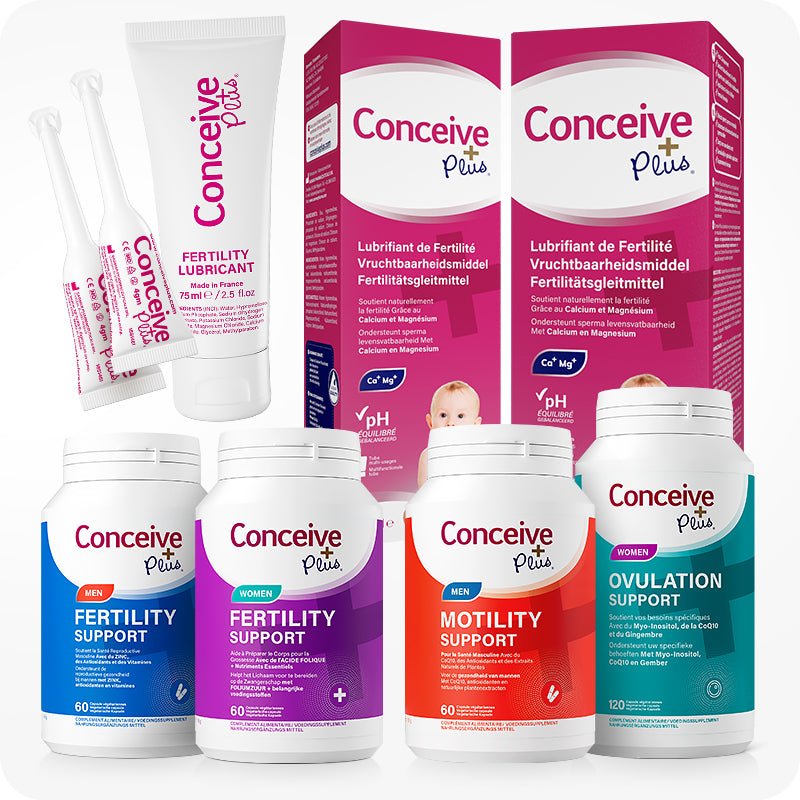
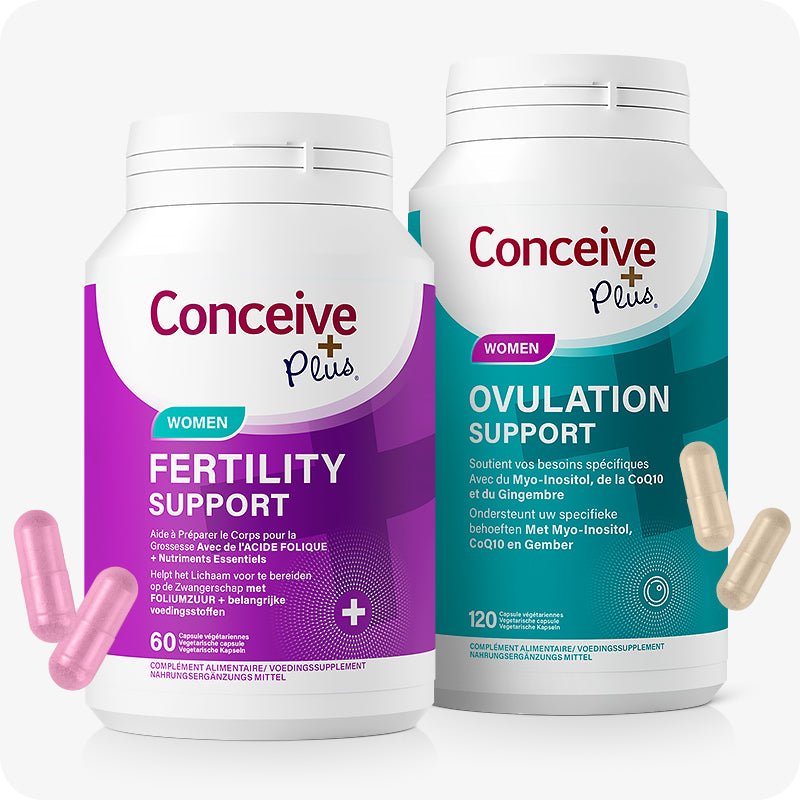
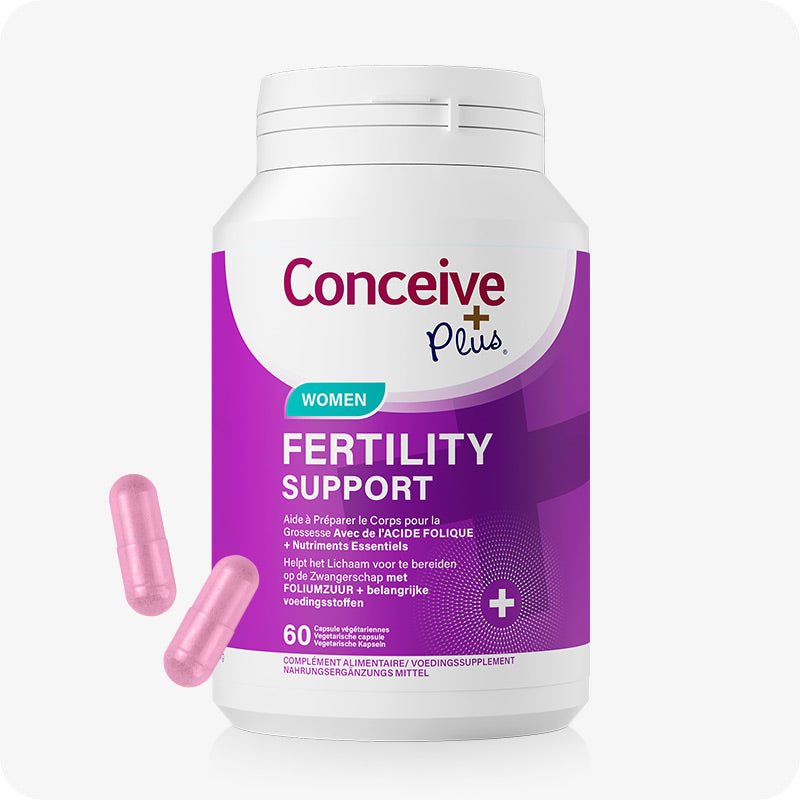
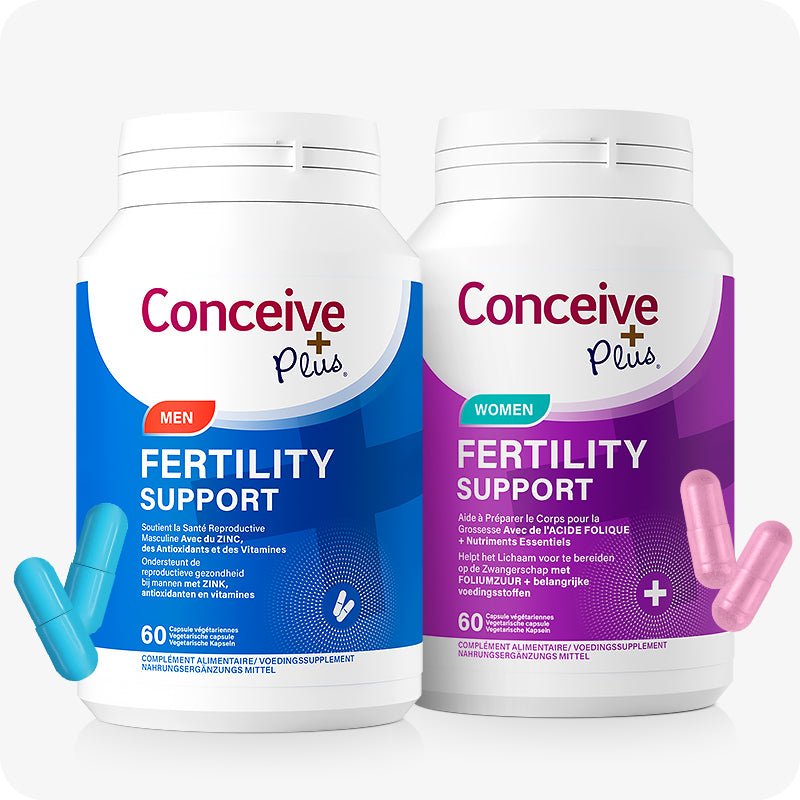
Conceive Plus offers a comprehensive Women's Fertility Support supplement containing many of these key nutrients in optimal forms, making it an ideal foundation supplement for IVF preparation in Europe.
Lifestyle Changes Before IVF
Lifestyle factors have measurable impacts on IVF outcomes. The following changes should ideally be implemented 3–6 months before your planned treatment start date:
Stop Smoking
Smoking is one of the most damaging behaviours for female fertility and IVF outcomes. It accelerates egg cell aging, reduces ovarian reserve, impairs implantation, and increases miscarriage risk. A large meta-analysis found that smoking reduces IVF live birth rates by approximately 46%. If either partner smokes, stopping is the single most impactful lifestyle change you can make. Seek support from your GP or a smoking cessation programme.
Minimise Alcohol
Even moderate alcohol consumption is associated with reduced IVF success rates. A 2014 study found that each additional weekly drink reduced the odds of live birth by 2–4%. Most fertility specialists recommend complete abstinence from alcohol during IVF preparation and treatment.
Achieve a Healthy Weight
Both underweight (BMI <18.5) and overweight (BMI >25–30) are associated with poorer IVF outcomes. Excess adipose tissue alters hormonal balance and affects follicular response. Many European IVF clinics have BMI requirements for treatment. Even losing 5–10% of body weight has been shown to significantly improve outcomes for overweight women.
Reduce Exposure to Environmental Toxins
Bisphenol A (BPA), phthalates, pesticides, and other endocrine-disrupting chemicals can impair egg quality and hormonal balance. Practical steps include: using glass or stainless steel containers, avoiding heating food in plastic, choosing organic produce where possible, and switching to fragrance-free personal care products.
Optimise Sleep
Sleep deprivation disrupts the hormonal environment, including cortisol, melatonin, and reproductive hormones. Melatonin is a potent antioxidant present in follicular fluid; poor sleep reduces its production. Aim for 7–9 hours of quality sleep per night. Consider a melatonin supplement (consult your doctor) for its antioxidant effects on eggs.
Improving Egg Quality Before IVF
Egg quality is the primary determinant of IVF success, particularly in the over-35 age group. While you cannot change the number of eggs you have, their quality is significantly influenced by the factors above plus:
Reduce Oxidative Stress
Oxidative stress damages egg DNA and mitochondrial membranes, reducing fertilisation rates and embryo quality. Build an antioxidant-rich diet around berries, dark leafy greens, nuts, and seeds. Supplements with evidence for egg antioxidant protection include CoQ10, vitamin E, vitamin C, and N-acetyl cysteine (NAC).
Support Mitochondrial Function
CoQ10, L-carnitine, and B vitamins (particularly riboflavin and niacin) support mitochondrial energy production. A healthy mitochondrial supply of ATP is essential for the egg's meiotic division during fertilisation — errors here cause chromosomal abnormalities (aneuploidy) that result in failed implantation or miscarriage.
Regulate Blood Sugar
Chronically elevated insulin (from high sugar and refined carbohydrate intake) creates an inflammatory state that disrupts follicular development and hormone signalling. A lower-glycaemic diet with adequate protein and healthy fats supports optimal hormonal regulation.
Male Partner Preparation for IVF
IVF success depends equally on sperm quality. Sperm with high DNA fragmentation rates reduce fertilisation rates, embryo quality, and implantation success. The 74-day sperm maturation cycle means changes made today affect the sperm used in your IVF cycle approximately 2.5 months from now.
Male IVF preparation should include:
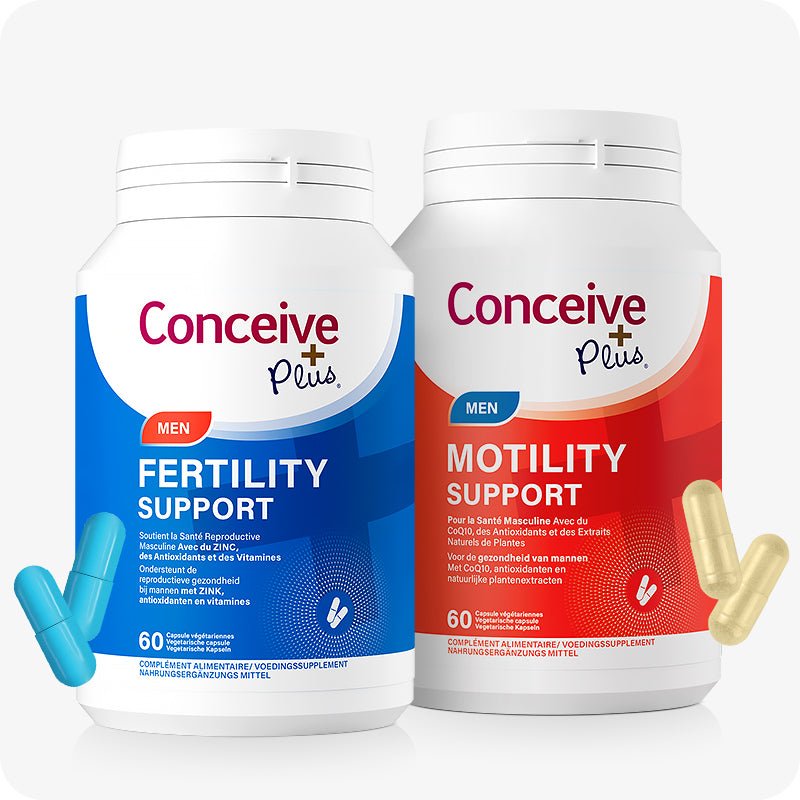
- Antioxidant supplementation: Zinc, selenium, vitamin C, vitamin E, and CoQ10 all reduce sperm DNA fragmentation. Conceive Plus Men's Fertility Support provides a comprehensive antioxidant formula specifically formulated for male fertility
- Avoid heat: Excessive heat to the testes (hot baths, saunas, tight underwear, laptop on lap) impairs sperm production. Testes are designed to operate at 2–3°C below core body temperature
- Reduce alcohol and stop smoking: Both significantly impair sperm production, motility, and DNA integrity
- Moderate intense exercise: Excessive endurance training (marathons, triathlons) can temporarily impair sperm production. Moderate aerobic exercise is beneficial
- Optimise micronutrients: Ensure adequate folate (sperm also need folate for DNA synthesis), zinc, selenium, and vitamin D
Diet and IVF Outcomes
The Mediterranean diet has the strongest evidence base for IVF optimisation. A 2018 prospective study of 244 couples undergoing IVF found that women in the highest adherence quartile for Mediterranean diet had a 65–68% higher chance of achieving pregnancy and live birth compared to low-adherence women.
IVF-specific dietary recommendations:
- Emphasise whole grains, legumes, vegetables, fruits, and olive oil
- Include oily fish (salmon, sardines, mackerel) 2–3 times per week
- Choose full-fat dairy over low-fat
- Limit red meat; avoid processed meats
- Minimise added sugar and refined carbohydrates
- Stay hydrated (aim for 2L water/day)
- Consider adding brazil nuts (selenium), pumpkin seeds (zinc), and walnuts (omega-3s) as fertility-supporting snacks
Mental Health and IVF Preparation
IVF is emotionally demanding. The process involves uncertainty, hormonal fluctuations, potential disappointment, and significant financial and relational pressure. Research shows that psychological wellbeing is associated with IVF outcomes, though whether this is a direct physiological effect or a marker of overall health is debated.
Practical mental health strategies for IVF preparation:
- Seek professional support: Many fertility clinics offer counselling services. A therapist experienced in fertility issues can provide invaluable support
- Practice mindfulness or meditation: A 2015 meta-analysis found that mind-body programmes reduced anxiety and depression in women undergoing fertility treatment
- Build your support network: Connect with others through fertility support groups or online communities
- Set realistic expectations: Understand your clinic's success rates for your age and diagnosis; unrealistic optimism can worsen the psychological impact of a failed cycle
- Communicate with your partner: IVF stress can strain relationships. Schedule regular check-ins and practise active listening
- Take breaks: It's okay to take a cycle off if you're feeling overwhelmed. Burnout can be counterproductive
Frequently Asked Questions
How long before IVF should I start preparing?
Ideally 3–6 months, as this covers the 90-day egg development cycle and allows time for lifestyle changes to take effect. If you have less time, start immediately — even 4–6 weeks of optimisation provides some benefit. Male partner preparation should also start at least 3 months before egg collection.
Can diet really improve IVF success rates?
Evidence strongly supports this. The Mediterranean diet has been associated with 65–68% higher live birth rates in IVF. While diet alone won't overcome serious fertility challenges, it meaningfully improves the biological environment in which IVF occurs.
Should I stop all supplements during IVF stimulation?
Discuss all supplements with your clinic before the stimulation phase begins. Some clinics recommend stopping high-dose antioxidants during stimulation, as there is some debate about whether high antioxidant levels during the very precise hormonal cascade of stimulation could interfere. Follow your clinic's protocol.
Does caffeine affect IVF outcomes?
Some studies link high caffeine intake (>300 mg/day) with reduced IVF success. A cautious approach is to limit caffeine to 1–2 small cups of coffee per day. Herbal teas (except raspberry leaf, which should be avoided until pregnancy is confirmed) are a good alternative.
Is acupuncture beneficial for IVF?
Evidence is mixed. Some studies show benefit (particularly for stress reduction), while systematic reviews have not consistently confirmed improved IVF outcomes. It is generally safe if performed by a qualified practitioner experienced in fertility acupuncture, but should be discussed with your clinic.
What exercise is safe before and during IVF?
Moderate exercise (30 minutes of walking, swimming, or yoga most days) is beneficial for stress reduction and metabolic health. Avoid high-impact or intense exercise during stimulation and after egg retrieval, as ovaries become enlarged and vulnerable to torsion. Resume normal activity when your clinic advises.
Can my male partner take Conceive Plus Men's Fertility Support while I'm doing IVF?
Yes. Conceive Plus Men's Fertility Support is formulated to support sperm quality and can be taken throughout the IVF preparation period. Discuss all supplements with your fertility specialist to ensure there are no conflicts with any medications your partner may be taking.
Does stress cause IVF failure?
The relationship between stress and IVF outcomes is complex. While chronic stress may have physiological effects through cortisol and inflammatory pathways, individual cycles of IVF are not typically "failed by stress" alone. Focus on stress management as part of overall wellbeing rather than blaming yourself if a cycle doesn't succeed.