PCOS and Fertility: How to Improve Your Chances of Getting Pregnant Naturally


PCOS and Fertility: How to Improve Your Chances of Getting Pregnant Naturally
Polycystic ovary syndrome (PCOS) is the most common hormonal disorder affecting women of reproductive age, present in an estimated 8–13% of women globally. If you have PCOS, understanding how it affects fertility — and what you can do about it — is essential for navigating your conception journey with clarity and confidence.
The good news is significant: PCOS does not mean you cannot get pregnant. The vast majority of women with PCOS can and do conceive, often with lifestyle modifications, targeted supplementation, and when needed, medical intervention. This comprehensive guide covers everything you need to know about PCOS and fertility, from the underlying mechanisms to practical, evidence-based strategies for optimising your conception chances naturally.
What Is PCOS and How Does It Affect Fertility?
PCOS is a complex endocrine disorder characterised by a combination of features including: irregular or absent menstrual cycles (oligomenorrhoea or amenorrhoea), elevated androgen levels (hyperandrogenism), and multiple small follicles visible on ultrasound that give the ovaries a "polycystic" appearance — though this latter feature is neither necessary for diagnosis nor always present.
The Rotterdam criteria (the most widely used diagnostic framework) require at least two of these three features for a PCOS diagnosis.
PCOS affects fertility primarily through its impact on ovulation. In women with PCOS, the hormonal dysregulation — driven by elevated androgens, insulin resistance, and altered LH/FSH ratios — prevents the normal maturation and release of eggs. Without regular ovulation, natural conception is significantly impaired.
The key PCOS-fertility link is anovulation — not ovulating at all — or oligovulation — ovulating infrequently. If you have PCOS and irregular cycles, you may be ovulating only occasionally, making timing conception correctly both more difficult and more critical.
Insulin Resistance and PCOS: The Core Connection
Insulin resistance is present in 65–80% of women with PCOS and is central to understanding why PCOS develops and how to manage it for fertility. When cells become resistant to insulin, the pancreas produces more insulin to compensate. High insulin levels signal the ovaries to produce more androgens (testosterone and DHEAS), which in turn disrupt follicle development and suppress ovulation.
The implication for PCOS fertility is powerful: improving insulin sensitivity directly improves hormonal balance and ovulation frequency. This is why lifestyle interventions — diet, exercise, and inositol supplementation — are first-line recommendations for PCOS management, even before pharmaceutical intervention.
Blood glucose management through low-glycaemic eating is a cornerstone of PCOS management. Swapping refined carbohydrates for whole grains, legumes, and vegetables reduces insulin load and improves the hormonal environment for ovulation. Research consistently shows that women with PCOS who adopt low-GI dietary patterns experience improvements in cycle regularity, androgen levels, and fertility outcomes.
How to Improve Ovulation with PCOS Naturally
The following evidence-based strategies can meaningfully improve ovulation frequency and PCOS fertility:
Dietary modification: A low-glycaemic, anti-inflammatory diet is the most evidence-supported nutritional intervention for PCOS. Prioritise: whole grains (oats, quinoa, brown rice), legumes (lentils, chickpeas, black beans), lean protein, colourful vegetables, and healthy fats (olive oil, avocado, nuts). Minimise: refined carbohydrates, sugary beverages, processed foods, and trans fats.
Regular exercise: Exercise improves insulin sensitivity independently of weight loss. Both aerobic exercise (walking, swimming, cycling) and resistance training (weights, bodyweight exercises) are effective. Even 150 minutes of moderate exercise per week has been shown to improve ovulatory function in women with PCOS. Overly intense exercise, however, can further disrupt the hypothalamic-pituitary axis — balance is key.
Inositol supplementation: Inositol (particularly myo-inositol and D-chiro-inositol at a 40:1 ratio) is the most well-evidenced supplement for PCOS. Multiple randomised controlled trials have shown that inositol supplementation improves insulin sensitivity, reduces androgen levels, and significantly increases ovulation frequency in women with PCOS. A 2020 meta-analysis found that myo-inositol supplementation restored ovulation in approximately 65% of previously anovulatory women with PCOS.
Weight management: Even a modest 5–10% reduction in body weight (for women with PCOS and excess weight) can significantly improve hormonal balance and restore ovulation. The mechanism is primarily through improved insulin sensitivity. Importantly, PCOS-related hormonal dysregulation can make weight loss more difficult — which is why combined dietary, exercise, and supplementation approaches are more effective than dietary restriction alone.
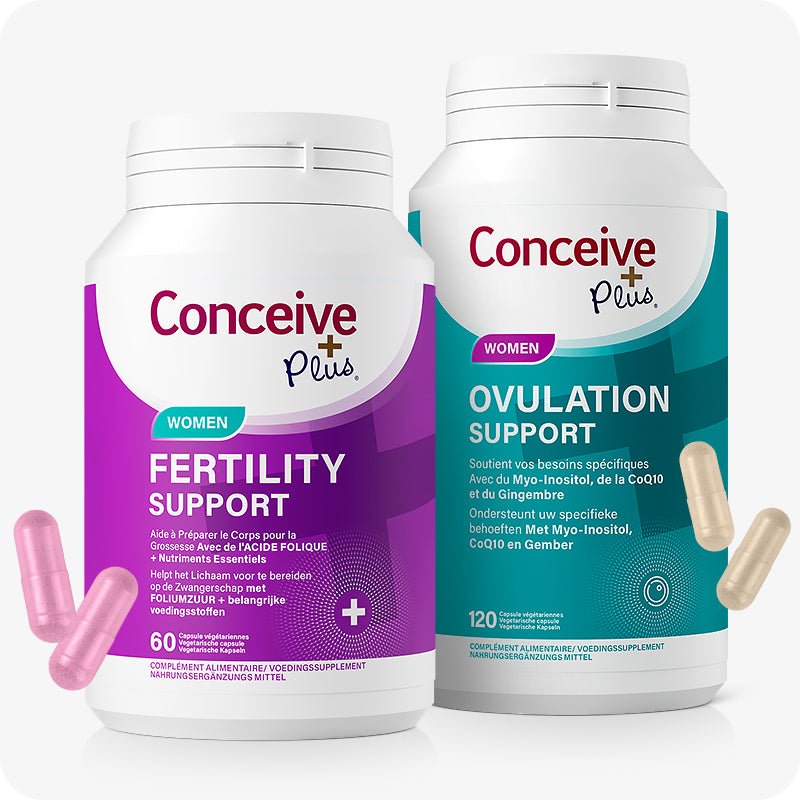
Conceive Plus Ovulation Support contains myo-inositol, methylfolate, vitamin D, and antioxidants — specifically formulated to support hormonal balance and regular ovulation in women with PCOS and other cycle irregularities.
Explore Conceive Plus Ovulation Support →
Ovulation Tracking with PCOS
Standard cycle-day-based ovulation prediction is unreliable for women with PCOS because cycle length is irregular and unpredictable. Targeted ovulation tracking becomes even more important.
Ovulation predictor kits (OPKs): Useful but can give false positives in PCOS because baseline LH levels are often elevated. Advanced digital monitors that measure both LH and oestrogen (such as the Mira fertility monitor) provide more reliable data for women with PCOS by showing the full hormone pattern rather than just threshold crossings.
Basal body temperature (BBT): Confirms ovulation retrospectively — useful for identifying if ovulation occurred and building pattern data over multiple cycles.
Ultrasound follicle monitoring: Done clinically, transvaginal ultrasound can directly observe follicle development and time of ovulation with precision. If you're working with a fertility specialist for PCOS, monitored cycles can optimise timing significantly.
Key Supplements for PCOS and Fertility
Beyond inositol, several other supplements are well-evidenced for supporting PCOS fertility:
Vitamin D: Deficiency is extremely common in women with PCOS — studies suggest up to 85% of PCOS patients are deficient. Vitamin D receptors are found throughout the reproductive system, and supplementation has been shown to improve insulin sensitivity, reduce androgen levels, and improve ovulatory function in PCOS. Target blood levels: 40–60 ng/mL (100–150 nmol/L).
Methylfolate (5-MTHF): Essential for DNA synthesis and cell division — critical for egg quality and early embryonic development. MTHFR variants are more common in women with PCOS, making the bioactive methylfolate form particularly important.
N-acetyl cysteine (NAC): An antioxidant precursor to glutathione, NAC has been shown in clinical trials to improve insulin sensitivity, reduce androgen levels, and improve ovulation rates in PCOS. Some studies found NAC as effective as metformin for improving insulin sensitivity with a superior safety profile.
CoQ10: Supports mitochondrial energy production in eggs. PCOS is associated with impaired mitochondrial function in follicles, and CoQ10 supplementation may partially compensate for this.
Omega-3 fatty acids: Anti-inflammatory and insulin-sensitising. Studies show omega-3 supplementation reduces testosterone levels and improves LH/FSH ratios in women with PCOS.
Conceive Plus Ovulation Support integrates inositol, methylfolate, vitamin D, and antioxidants in a single daily supplement — making targeted PCOS nutritional support simple and consistent.
When to Seek Medical Support for PCOS Fertility
Lifestyle and supplementation interventions are powerful first steps — and many women with PCOS conceive naturally after implementing them. However, medical support should be sought in these situations:
- You have been trying to conceive for 6+ months without success (or 12 months if under 35)
- You have confirmed anovulation (no ovulation) despite lifestyle interventions
- Your partner has known semen quality issues
- You have additional fertility concerns (endometriosis, structural issues, elevated FSH)
- You are over 35 and have not conceived within 6 months of trying
Medical options for PCOS fertility include letrozole (now the first-line ovulation induction agent, superior to clomiphene for PCOS), clomiphene citrate, metformin, gonadotropin injections, and laparoscopic ovarian drilling. IVF is effective for PCOS when other approaches haven't succeeded — PCOS patients often have excellent egg reserve and can be very successful IVF candidates.
PCOS Fertility: Managing the Emotional Journey
Living with PCOS while trying to conceive can be emotionally challenging. The uncertainty of irregular cycles, the difficulty knowing when or whether ovulation has occurred, and the feeling of your body working against your intentions can take a real toll on mental health and relationships.
Acknowledge this difficulty — it is real and valid. At the same time, remember that PCOS is a manageable condition with an overall positive fertility prognosis for most women. Research shows that women with PCOS undergoing fertility treatment have equivalent live birth rates to women without PCOS after the same number of treatment cycles.
Connecting with PCOS support communities (online and in-person), working with a healthcare provider who specialises in PCOS, and prioritising stress management (which can itself worsen PCOS symptoms through cortisol-insulin interactions) are all important aspects of the journey.
Frequently Asked Questions: PCOS and Fertility
Q: Can I get pregnant naturally with PCOS?
A: Yes — many women with PCOS conceive naturally, especially with lifestyle modifications that improve insulin sensitivity and ovulation frequency. The key is knowing when you're ovulating (through tracking) and timing intercourse accordingly.
Q: Does PCOS cause miscarriage?
A: Women with PCOS have a modestly elevated miscarriage risk, primarily associated with insulin resistance and elevated LH levels. Improving insulin sensitivity through lifestyle interventions and supplementation reduces this risk. Metformin during early pregnancy has also been studied as a potential risk-reducer in some populations.
Q: What is the best diet for PCOS fertility?
A: A low-glycaemic, Mediterranean-style diet is most supported by evidence for PCOS. Prioritise whole grains, legumes, vegetables, oily fish, olive oil, and nuts. Minimise refined carbohydrates, sugary foods, and processed meats. The anti-inflammatory pattern of this diet directly reduces the insulin resistance driving PCOS symptoms.
Q: How does inositol help PCOS fertility?
A: Myo-inositol improves insulin signalling at the cellular level, reducing the compensatory hyperinsulinaemia that drives androgen excess in PCOS. This leads to lower androgen levels, reduced LH, and improved follicle maturation — ultimately increasing ovulation frequency. It's well-tolerated, evidence-based, and safe for use in the conception period.
Q: Can losing weight cure PCOS?
A: PCOS is not "cured" by weight loss, but weight loss in overweight women with PCOS consistently improves symptoms — including cycle regularity, androgen levels, and fertility. Even 5% weight loss can restore ovulation. Importantly, women of normal weight can also have PCOS (lean PCOS), and the same lifestyle principles apply.
Q: Does PCOS worsen with age?
A: Interestingly, PCOS symptoms often improve with age — androgen levels naturally decline and cycles may become more regular in the late 30s and 40s. However, fertility naturally also declines with age, so early intervention for PCOS fertility remains important. Women with PCOS tend to have better ovarian reserve than women without PCOS — which can be an advantage in fertility treatment.
Q: What is the best ovulation tracking method for PCOS?
A: Advanced digital monitors (like Mira) that measure both LH and oestrogen quantitatively are most reliable for PCOS, as standard OPKs can give false positives due to chronically elevated LH. BBT charting can confirm whether ovulation actually occurred. Combining multiple methods provides the most accurate picture.
Q: How long does it take for lifestyle changes to improve PCOS fertility?
A: Meaningful improvements in insulin sensitivity, androgen levels, and cycle regularity typically become apparent within 3–6 months of consistent lifestyle change and supplementation. Sperm cycles 72–74 days, and egg quality improvements are visible at the follicle level over 90 days — so 3 months is the minimum meaningful assessment window.
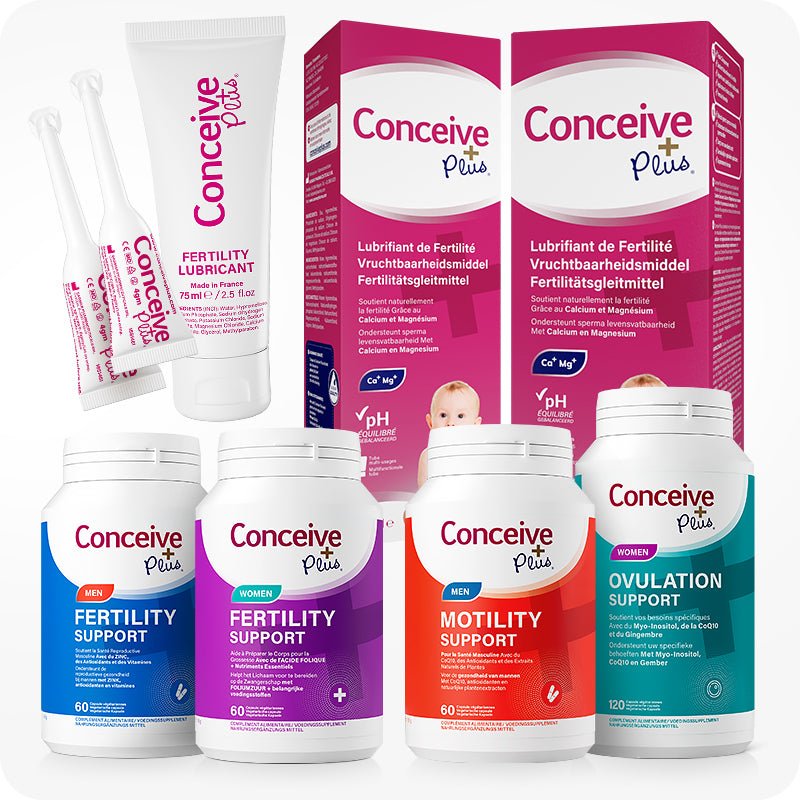
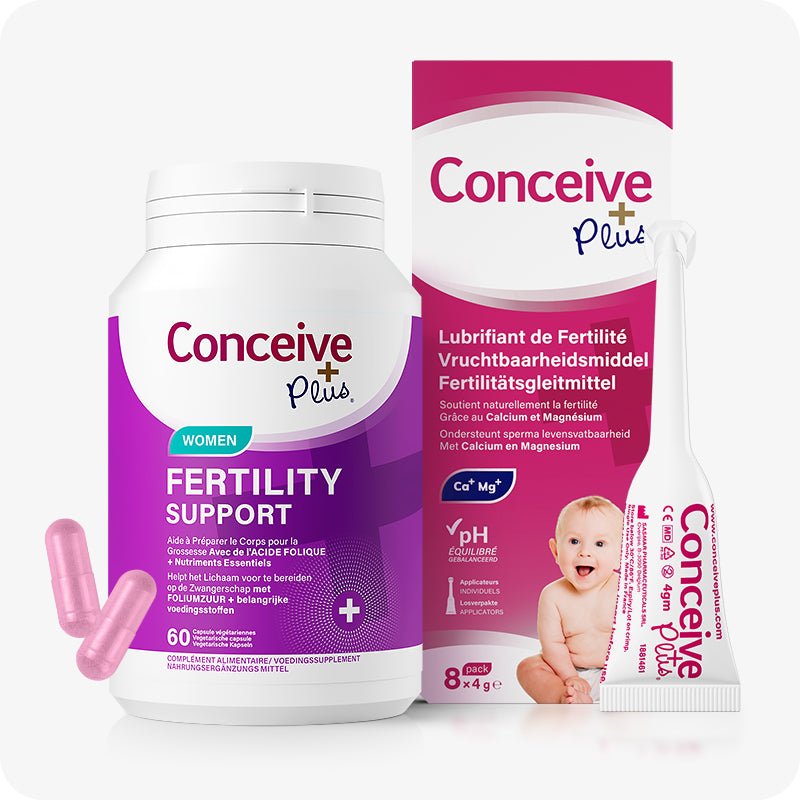
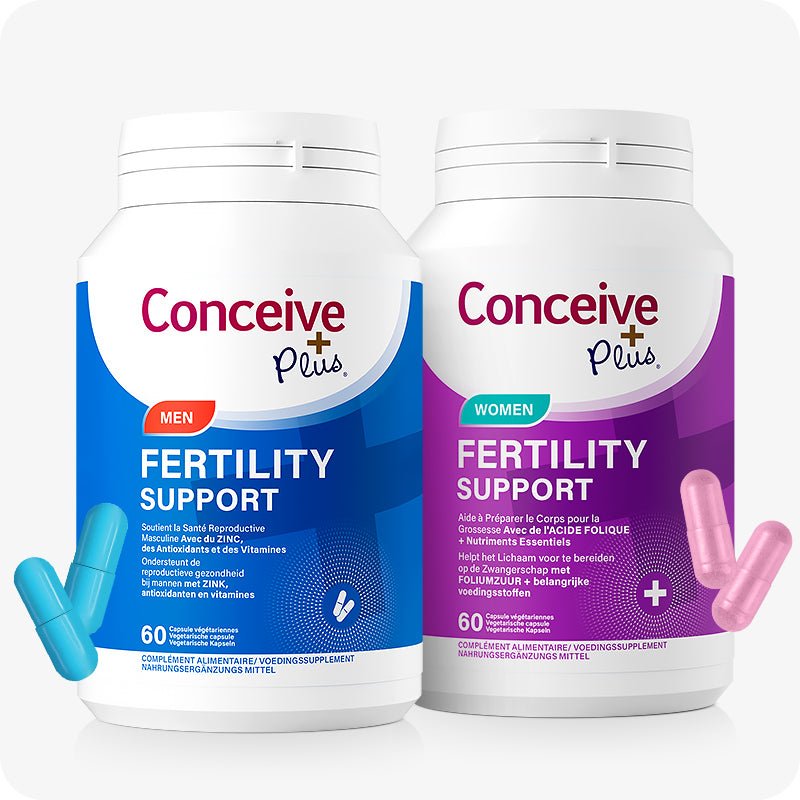
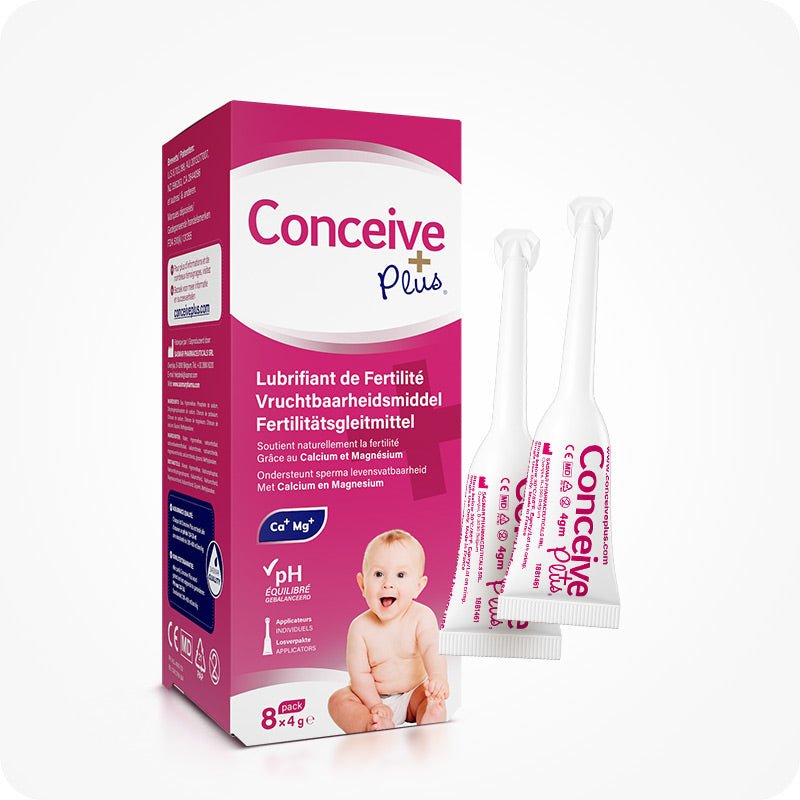
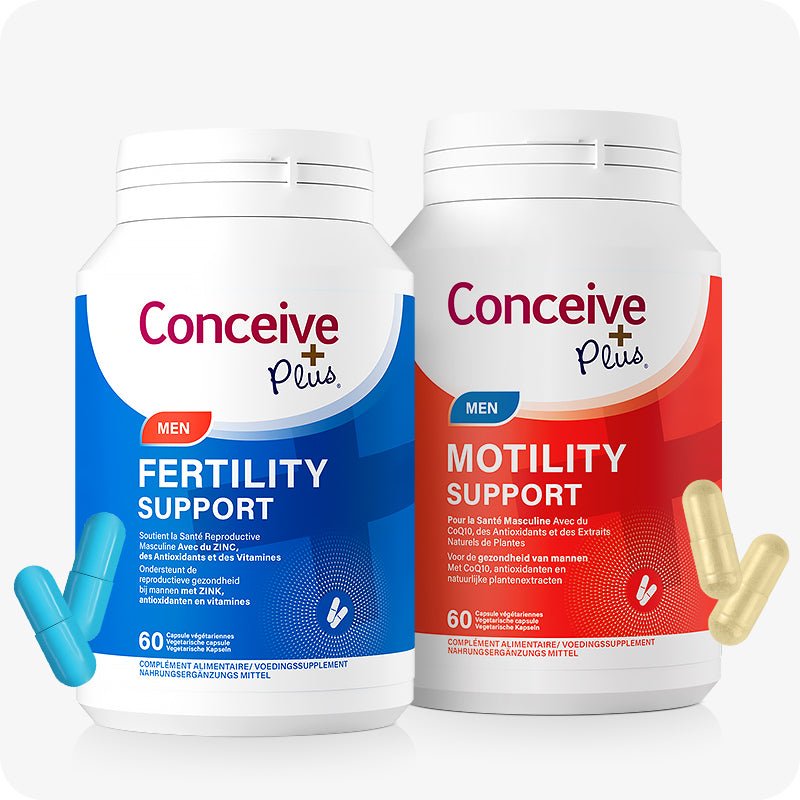
From inositol-based ovulation support to prenatal vitamins and fertility lubricant, Conceive Plus offers a complete range of products designed to support your body through every stage of the conception journey — trusted across Europe.
Shop Conceive Plus Europe →
Conclusion: PCOS Fertility Is Manageable and Achievable
PCOS presents real challenges to fertility — but they are challenges that science, clinical medicine, and personal action can meaningfully address. By understanding the hormonal mechanics of PCOS, adopting evidence-based lifestyle strategies, tracking ovulation carefully, supplementing with targeted nutrients, and accessing medical support when needed, the vast majority of women with PCOS can achieve their goal of pregnancy.
Conceive Plus is designed to support this journey — with supplements formulated specifically for the nutritional needs of women with PCOS and other cycle irregularities, alongside the full range of conception tools that give every couple their best chance. Explore the Conceive Plus range at conceiveplus.eu.