Best Lubricant for IUI in Europe: What Fertility Clinics Actually Recommend


If you're preparing for intrauterine insemination (IUI) in Europe, or trying to conceive naturally while undergoing fertility treatment, the question of lubricant use deserves careful attention. Many fertility patients are surprised to learn that the lubricant they've been using at home — or even those available in clinic settings — can significantly impair the very sperm they're hoping will achieve fertilisation.
This guide covers everything you need to know about choosing the best lubricant for IUI: what sperm-safe means, why most lubricants fail this standard, and why Conceive Plus is the product most commonly recommended by fertility clinics across Europe and internationally.
Understanding IUI: What Happens and Why Lubricant Matters
Intrauterine insemination is a fertility procedure in which prepared sperm (either from a partner or donor) are inserted directly into the uterus using a thin catheter, bypassing the cervix. IUI is commonly used for:
- Mild male factor infertility (low sperm count or motility)
- Cervical factor infertility (where cervical mucus is hostile to sperm)
- Unexplained infertility
- Single women or same-sex couples using donor sperm
- Couples using ovulation induction (with Clomid or injectable gonadotropins) alongside timed insemination
While the insemination procedure itself places sperm directly in the uterus, many IUI protocols also recommend timed intercourse in the days leading up to or around the insemination — particularly during natural or minimally stimulated IUI cycles. In these cases, if a lubricant is needed during intercourse, it must be safe for sperm.
Additionally, during the IUI procedure itself, clinicians sometimes apply a small amount of lubricant to ease the insertion of the speculum or catheter. The choice of lubricant in this context directly affects the sample being inseminated — making sperm-safety a clinical, not merely a cosmetic, concern.
How Most Lubricants Damage Sperm
The sperm toxicity of standard lubricants is well-documented in peer-reviewed research. A landmark study published in Fertility and Sterility found that lubricants including K-Y Jelly, Astroglide, and Replens significantly reduced sperm motility and viability — by 60–90% in some cases — within just 30 minutes of exposure.
Two primary mechanisms drive this toxicity:
pH incompatibility: Most personal lubricants are formulated with a pH optimised for vaginal comfort — typically between 3.5 and 5.0. This acidic range is protective for the vaginal microbiome but hostile to sperm, which thrive in the alkaline environment of seminal plasma (pH 7.2–8.0). Brief exposure to an acidic lubricant can immobilise and kill sperm before they have a chance to travel toward the fallopian tubes.
Osmolality mismatch: Lubricants that are hyperosmolar (highly concentrated with dissolved particles) create an osmotic gradient that draws water out of sperm cells. This cellular dehydration damages the sperm membrane, impairs mitochondrial function, and destroys the flagellar movement that drives sperm forward. Sperm in a hyperosmolar lubricant effectively become paralysed — or worse, non-viable — within minutes.
In an IUI context, where every viable sperm in the prepared sample is precious, these effects could meaningfully compromise the success of the procedure.
What Makes a Lubricant Safe for IUI?
The World Health Organization and major reproductive medicine organisations including the American Society for Reproductive Medicine (ASRM) and the British Fertility Society have established clear criteria for sperm-compatible lubricants:
- pH between 7.0 and 8.5 — matching the alkaline environment of semen and fertile cervical mucus
- Isotonic osmolality (260–380 mOsm/kg) — matching the natural fluid environment in which sperm are suspended
- Absence of spermicidal compounds — no glycerol at high concentrations, no parabens, no chlorhexidine (sometimes used as a preservative)
- Evidence of no negative impact on sperm parameters in in vitro and ideally in vivo testing
Very few commercially available lubricants meet all of these criteria. Conceive Plus is one of the very few that does — and unlike most alternatives, it also goes further in its formulation.
Why Conceive Plus Is the Fertility Clinic Choice
Conceive Plus is the fertility lubricant most commonly recommended — and in many cases stocked — by fertility clinics in Europe and internationally. This clinical preference is not accidental. Several factors distinguish it:
1. Unique calcium and magnesium ion formulation: Conceive Plus is the only fertility lubricant that contains calcium and magnesium ions at concentrations found in natural seminal plasma and fertile cervical mucus. These ions are not cosmetic additions — they support sperm capacitation, the biological process by which sperm undergo the final biochemical changes needed to penetrate and fertilise an egg. No other commercially available lubricant provides this additional layer of sperm support.
2. FDA clearance as an aid to conception: Conceive Plus holds FDA clearance specifically as a medical device that aids conception — not merely as a body-safe personal lubricant. This regulatory designation means it has been evaluated against clinical standards relevant to reproductive use, not just general safety. For fertility clinics in Europe that want evidence-based product recommendations, this distinction matters.
3. Robust clinical evidence: Multiple peer-reviewed studies have tested Conceive Plus directly against other lubricants in sperm motility and viability assays. The consistent finding is that Conceive Plus does not impair sperm progressive motility, total motility, or sperm survival — in clear contrast to standard lubricants and even some products marketed as "natural" alternatives.
4. Clinical use in IUI procedures: Many fertility clinics use Conceive Plus as a lubricant during the IUI procedure itself — applied to the speculum or catheter. This direct clinical application is perhaps the strongest endorsement available: fertility specialists who understand exactly what lubricant toxicity can do trust Conceive Plus with their patients' samples.
When to Use Lubricant During an IUI Cycle
If you're undergoing IUI in Europe, here's guidance on when lubricant use is relevant:
During timed intercourse before IUI: Many IUI protocols recommend intercourse in the 24–48 hours before the scheduled insemination to maximise the number of sperm potentially reaching the egg. If you need lubrication during this intercourse, Conceive Plus is appropriate.
During the IUI procedure: You don't control what lubricant the clinic uses, but you can ask. If your clinic uses a standard lubricant on instruments, ask whether they have or can use a sperm-safe alternative. Many fertility clinics in Europe already stock Conceive Plus for exactly this purpose.
During intercourse after IUI: Some clinics recommend additional intercourse in the days following IUI to maximise coverage. If needed, Conceive Plus is safe to use during this window.
Between IUI cycles (natural cycle intercourse): Many couples continue trying naturally between IUI attempts. Using Conceive Plus during these natural cycles ensures that lubricant isn't a variable working against you during months when IUI isn't scheduled.
Comparing Lubricant Options for IUI
| Product | pH | Osmolality | Ions | Clinical Evidence | IUI Appropriate? |
|---|---|---|---|---|---|
| K-Y Jelly | ~4.5 | Hyperosmolar | No | Harmful to sperm | No |
| Astroglide | ~4.2 | Hyperosmolar | No | Harmful to sperm | No |
| Pre-Seed | ~7.0 | Isotonic | No | Sperm-safe | Yes |
| Conceive Plus | 7.0–8.5 | Isotonic | Ca²⁺ & Mg²⁺ | Sperm-safe + clinically tested | Yes (preferred) |
| Mineral oil/baby oil | N/A | N/A | No | Harmful to sperm | No |
IUI Success Rates: Managing Expectations
IUI has a per-cycle success rate of approximately 10–20% for most patients, depending on age, diagnosis, the number of mature follicles, and sperm quality. This is lower than many couples expect — which is why optimising every variable matters.
While no lubricant can transform a failed IUI cycle into a successful one, eliminating lubricant toxicity as a potential negative factor is a straightforward, low-cost optimisation. For couples who regularly use lubricant during intercourse, switching to Conceive Plus is one of the simplest evidence-based decisions available.
It's also worth considering that couples undergoing IUI often face multiple cycles before achieving pregnancy. Each cycle is an opportunity — and each small optimisation compounds. Using Conceive Plus throughout your IUI journey ensures you're not inadvertently adding friction to a process that already has real biological uncertainty.
Questions to Ask Your Fertility Clinic in Europe
When meeting with your fertility specialist, consider asking:
- What lubricant do you use during the IUI procedure?
- Do you recommend a specific lubricant for timed intercourse around IUI?
- Is Conceive Plus appropriate for use in our specific protocol?
- Are there any reasons I should avoid lubricant use in my particular case?
Most fertility specialists in Europe will be familiar with Conceive Plus and support its use — many proactively recommend it.
Frequently Asked Questions: Best Lubricant for IUI
Can using the wrong lubricant cause an IUI to fail?
It's impossible to attribute any individual IUI failure to a single factor — but using a sperm-toxic lubricant during timed intercourse before or after IUI could potentially reduce the number of viable sperm contributing to the cycle. Eliminating this risk by using Conceive Plus is advisable.
Should I use lubricant during the IUI procedure itself?
The decision about what lubricant (if any) is used during the procedure is made by the clinical team. You can ask your clinic what they use — many already use Conceive Plus or equivalent sperm-safe lubricants. You don't apply lubricant yourself during the procedure.
How much Conceive Plus should I use during IUI cycles?
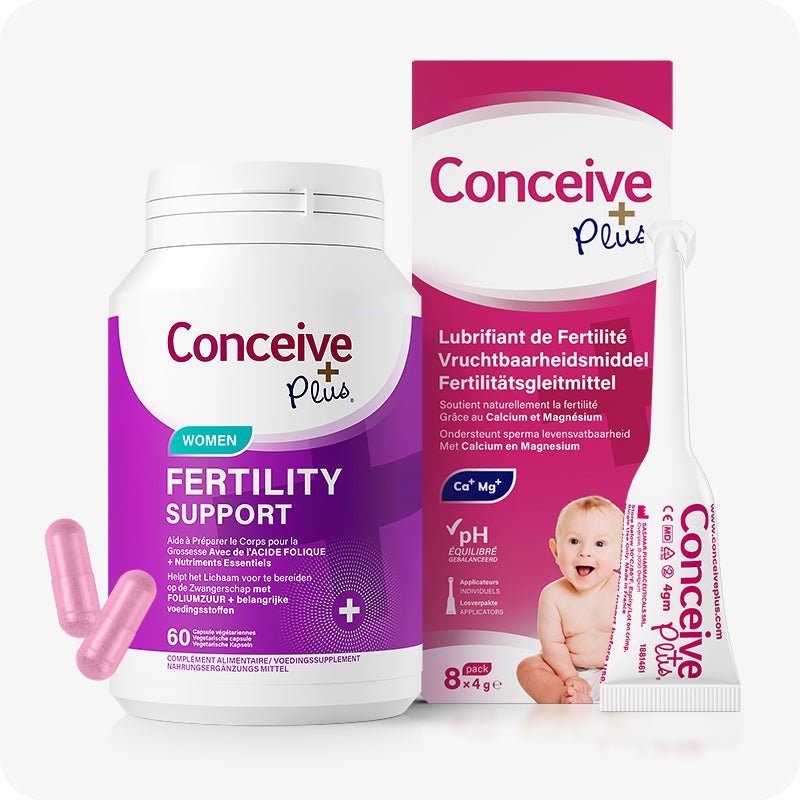
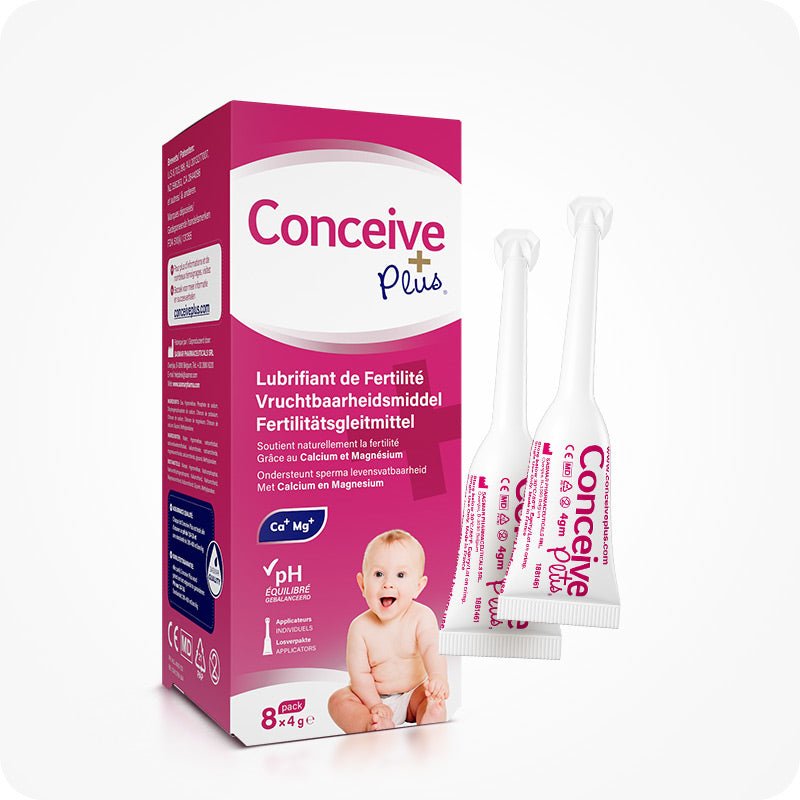
Use one pre-filled applicator per act of intercourse during your fertile window, or as needed. The 8-applicator pack is usually sufficient for one IUI cycle.
Can Conceive Plus increase my IUI success rate?
Conceive Plus is not a fertility treatment and cannot guarantee a higher success rate. However, by removing sperm toxicity from the equation, it eliminates one potential negative factor — which is meaningfully different from claiming it boosts success.
Is Conceive Plus different from the sperm-washing medium used in IUI?
Yes. Sperm washing in IUI uses specialised laboratory media (such as IVF medium or human tubal fluid) to prepare the sperm sample. Conceive Plus is a personal lubricant used externally or vaginally — not the same product and not interchangeable. Both should be sperm-safe, but they serve different purposes.
Can I use Conceive Plus if I'm using donor sperm?
Yes. Conceive Plus is appropriate for use in any IUI cycle, whether using partner or donor sperm. The sperm-safe formulation applies regardless of sperm source.
How long before IUI should I stop using any lubricant?
If you're using Conceive Plus during intercourse in the days before IUI, there's no need to stop — it's specifically designed for TTC use. If you have any concerns, discuss with your fertility clinic.
Does Conceive Plus need refrigeration?
No. Conceive Plus should be stored at room temperature, away from direct sunlight and heat. It does not require refrigeration.
Is there a specific Conceive Plus format best for IUI cycles?
The pre-filled applicators are the most convenient format for IUI cycles — they provide measured, ready-to-use doses for each act of intercourse. The tube format with applicator is equally effective and more economical if you're doing multiple cycles.
What if I experience discomfort with Conceive Plus?
Mild irritation is rare but possible. If it occurs, discontinue use and consult your doctor or fertility nurse. Most women find Conceive Plus comfortable and non-irritating.
Trusted by Fertility Clinics in Europe
Conceive Plus is the fertility lubricant most recommended by fertility specialists — FDA cleared, calcium and magnesium ion enhanced, and specifically formulated to support sperm through every stage of your IUI journey.
The Bottom Line: IUI and Lubricant Choice
When you're investing the time, emotion, and cost of IUI treatment in Europe, eliminating avoidable obstacles matters. Using a standard lubricant during your IUI cycle — during timed intercourse or even at home before your procedure appointment — is one of the most common and most preventable sources of interference with sperm function.
Conceive Plus provides the evidence-based, clinically supported solution: a lubricant specifically designed for fertility use, pH balanced, isotonic, and enriched with the calcium and magnesium ions that characterise the natural, sperm-supportive environment. It's the lubricant that fertility clinics in Europe trust — and it should be the one you trust too.
Support Every Aspect of Your Fertility Journey
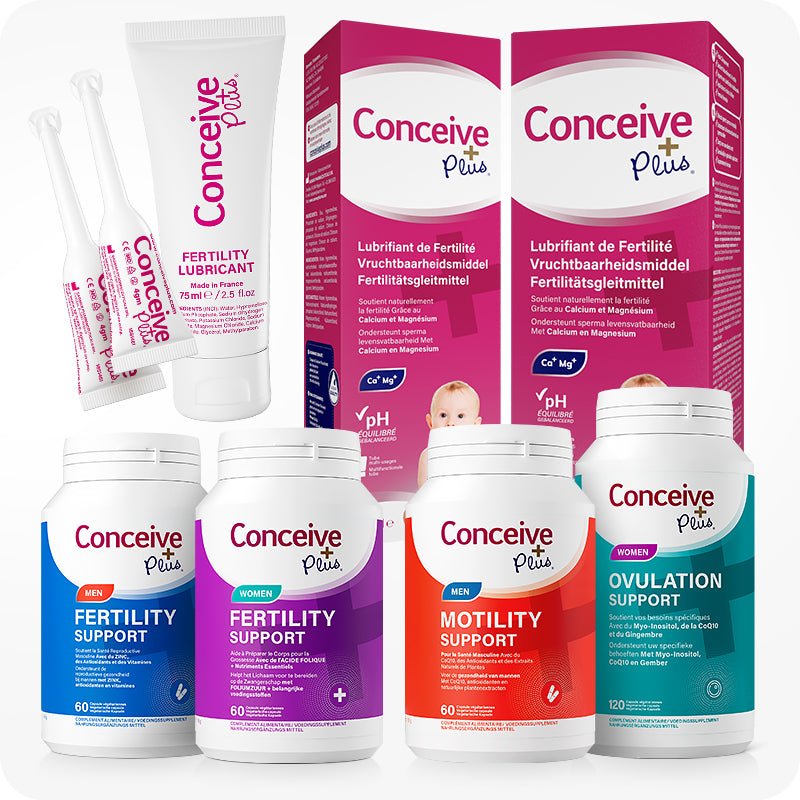
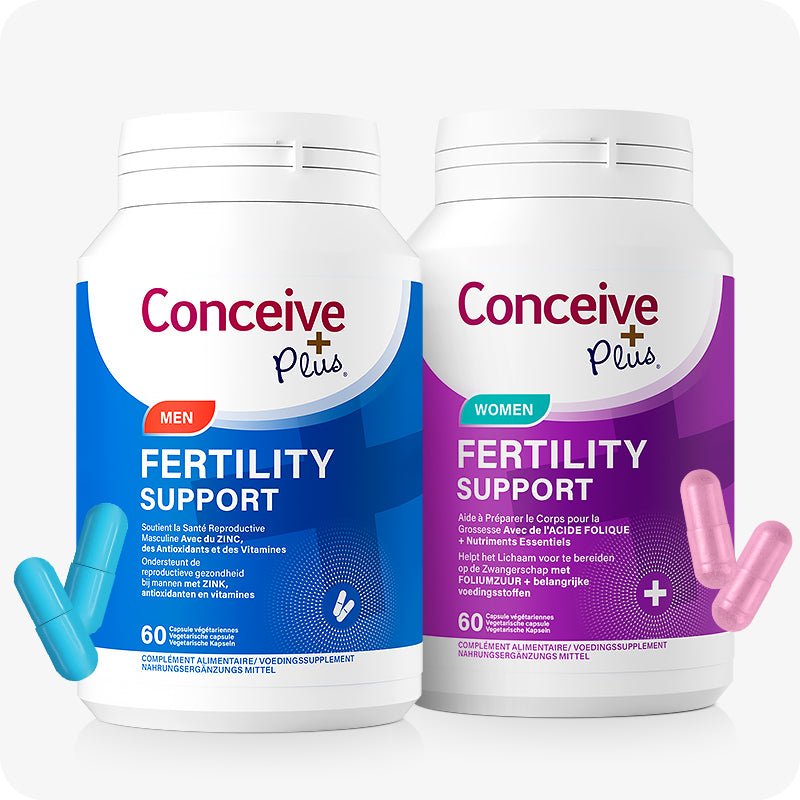
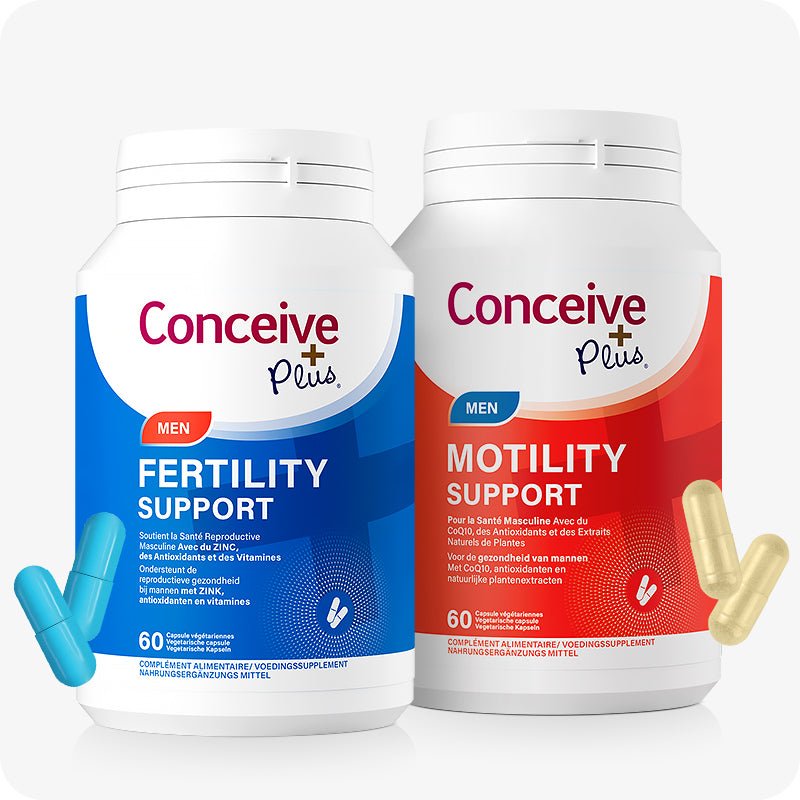
Alongside Conceive Plus Lubricant, our fertility supplements provide comprehensive nutritional support during IUI treatment. Our Women's and Men's Fertility Support bundles are available across Europe.