PCOS and Fertility: Your Complete Science-Backed Guide to Conceiving with Polycystic Ovary Syndrome


PCOS and Fertility: Your Complete Science-Backed Guide to Conceiving with Polycystic Ovary Syndrome
Polycystic Ovary Syndrome (PCOS) is one of the most common — and most misunderstood — causes of female infertility. Affecting approximately 10-15% of women of reproductive age worldwide, PCOS is a complex hormonal condition that can make ovulation irregular or absent altogether. But here's the encouraging truth: PCOS is also one of the most treatable causes of infertility, and countless women with PCOS go on to conceive healthy babies.
How PCOS Affects Fertility
The primary mechanism through which PCOS impacts fertility is ovulation disruption. In a normal cycle, a follicle develops, matures, and releases an egg. In PCOS, hormonal imbalances — particularly insulin resistance and elevated LH — prevent follicles from maturing properly. Instead, they accumulate in the ovaries, appearing as "cysts" on ultrasound.
Key hormonal disruptions in PCOS include:
- Insulin resistance: Affects up to 75% of women with PCOS. High insulin stimulates the ovaries to produce excess androgens, disrupting the menstrual cycle
- Elevated LH: Luteinising hormone is often high relative to FSH, impairing egg development
- Low SHBG: Sex hormone binding globulin is often low, meaning more free testosterone circulates
- Chronic inflammation: Low-grade inflammation is common and further disrupts ovulation
Lifestyle Strategies for PCOS Fertility
Support Your Fertility Journey
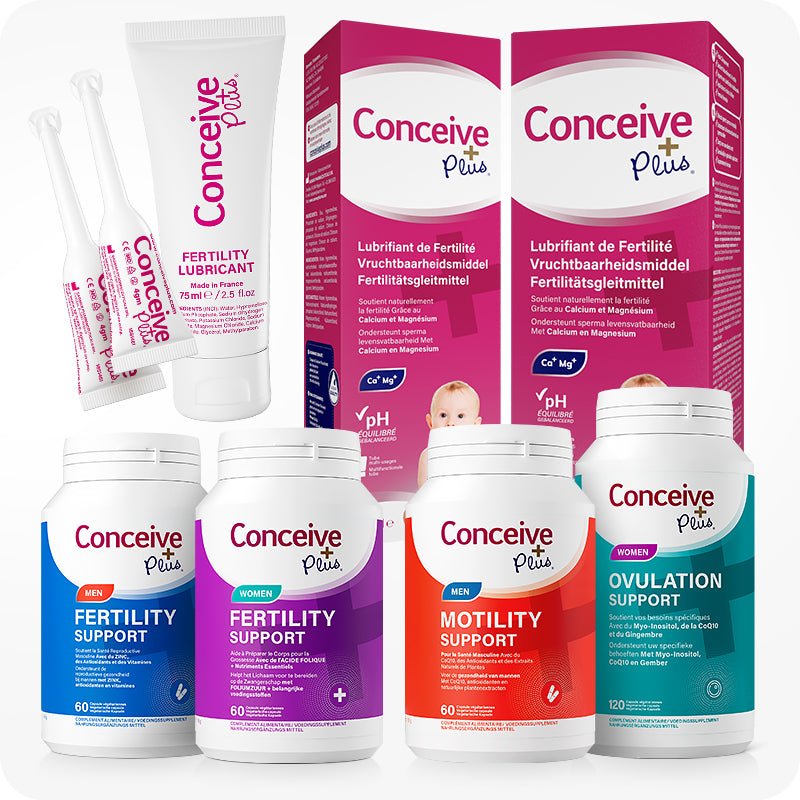
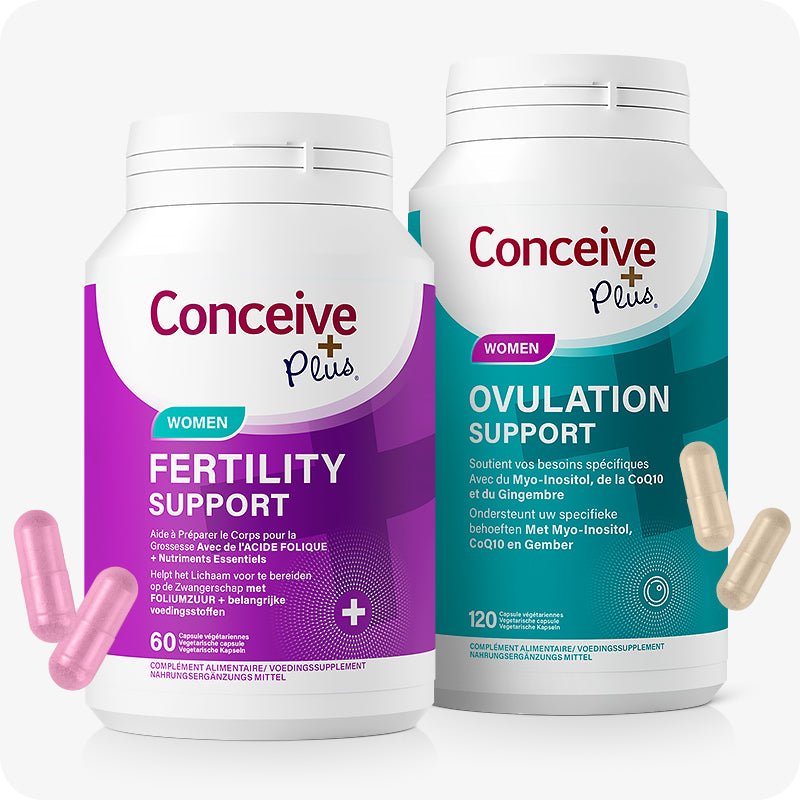
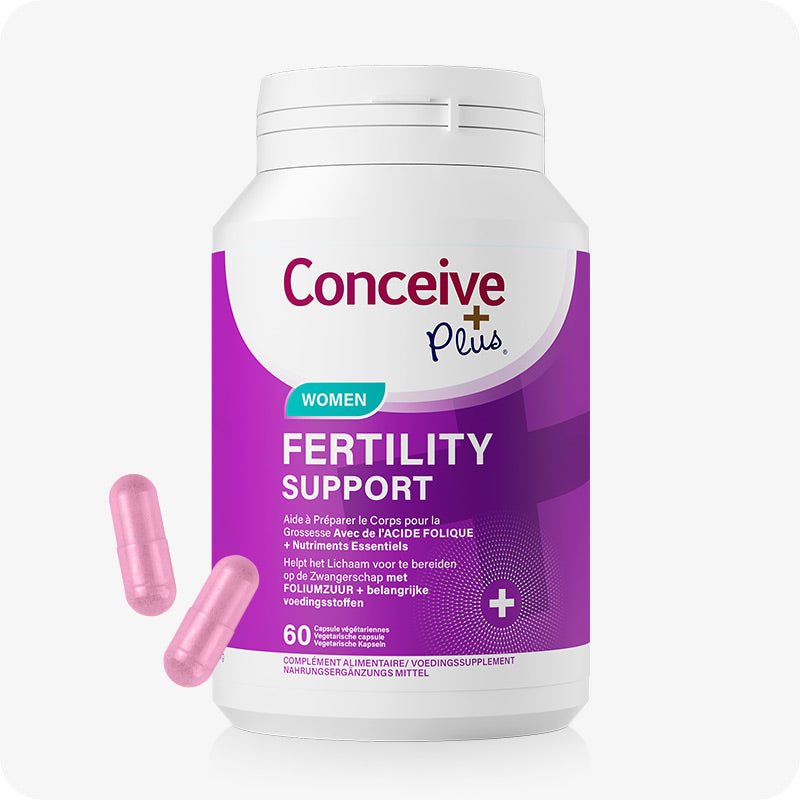
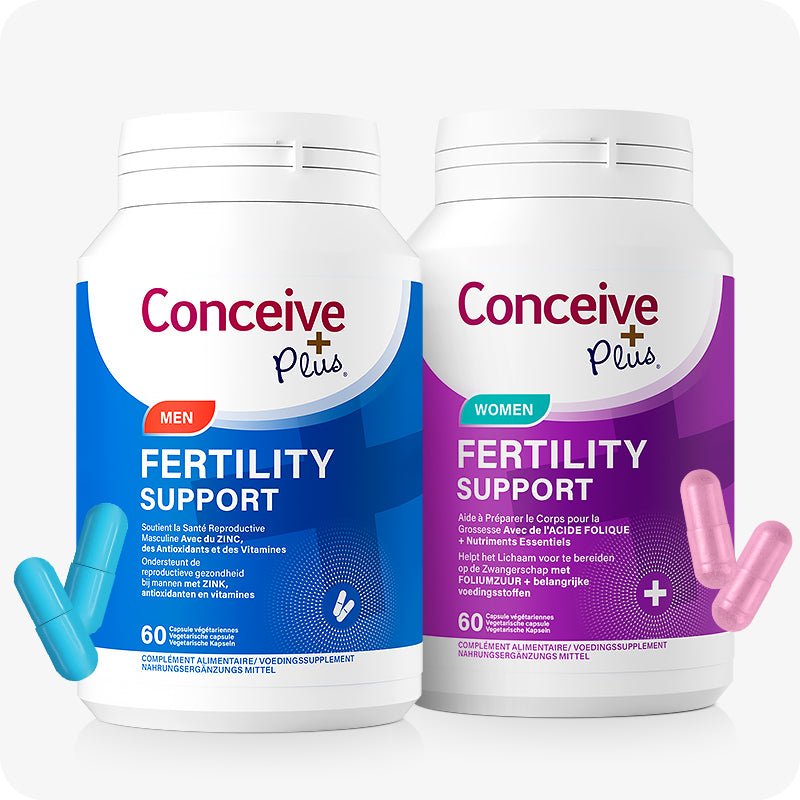
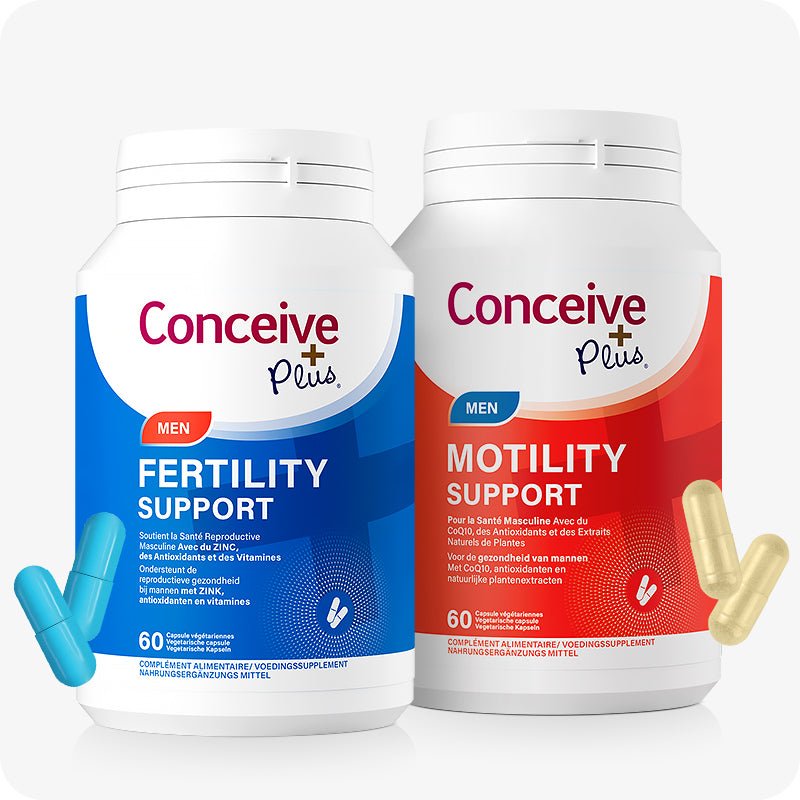
Conceive Plus Fertility Support supplements are scientifically formulated with evidence-backed nutrients including CoQ10, folate, zinc, and vitamin D to support reproductive health at every stage. Give your body the nutritional foundation it deserves.
Support Your Fertility Journey
Conceive Plus Fertility Support supplements are scientifically formulated with evidence-backed nutrients including CoQ10, folate, zinc, and vitamin D to support reproductive health at every stage. Give your body the nutritional foundation it deserves.
Nutrition: The First Line of Defence
Dietary modification is among the most effective interventions: low glycaemic load eating (vegetables, legumes, whole grains, lean proteins), anti-inflammatory foods (colourful vegetables, fatty fish, olive oil, nuts), adequate protein at every meal, and healthy fats from avocados and olive oil. Studies show that even a 5% reduction in body weight can restore ovulation in many women with PCOS.
Exercise and PCOS
Regular physical activity improves insulin sensitivity independent of weight loss. A combination of moderate cardio and resistance training appears most effective. Aim for at least 150 minutes of moderate exercise weekly.
Supplements for PCOS Fertility
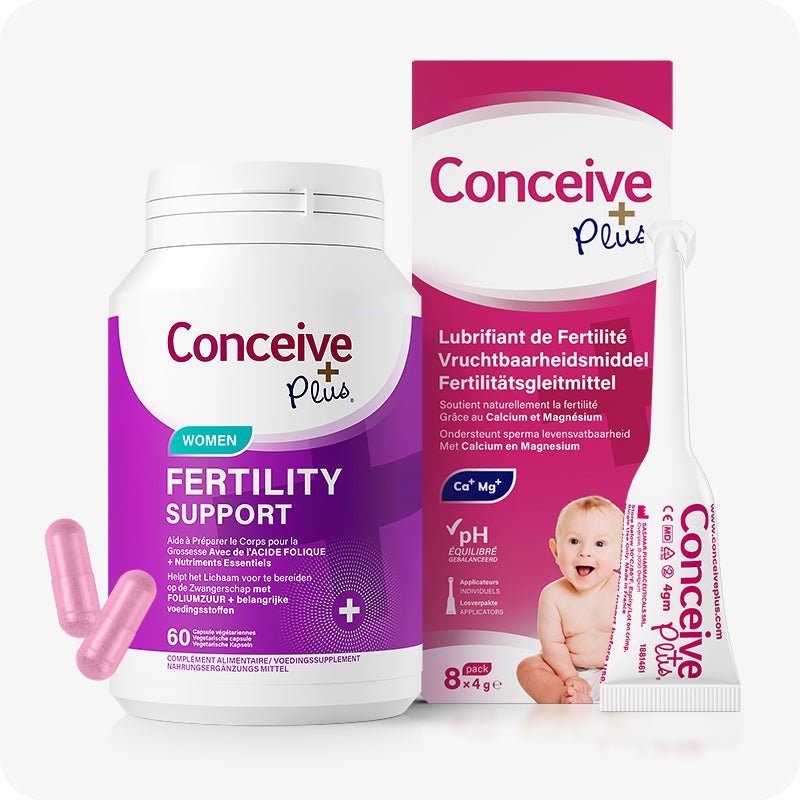
Several supplements have demonstrated benefits: inositol (myo-inositol and D-chiro-inositol in 40:1 ratio) improves insulin sensitivity and ovulation rates; omega-3 fatty acids reduce inflammation; vitamin D deficiency is common and supplementation improves metabolic parameters; magnesium supports insulin sensitivity and sleep; zinc supports egg health. A comprehensive supplement like Conceive Plus Fertility Support for Women provides foundational nutrients.
Medical Treatments for PCOS Infertility
Ovulation Induction Medications
- Letrozole (Femara): Now considered first-line treatment. Studies show higher live birth rates and lower multiple pregnancy rates compared to clomiphene
- Clomiphene citrate (Clomid): Traditional first-line, though letrozole is increasingly preferred
- Metformin: Improves insulin sensitivity and can restore ovulation in some women
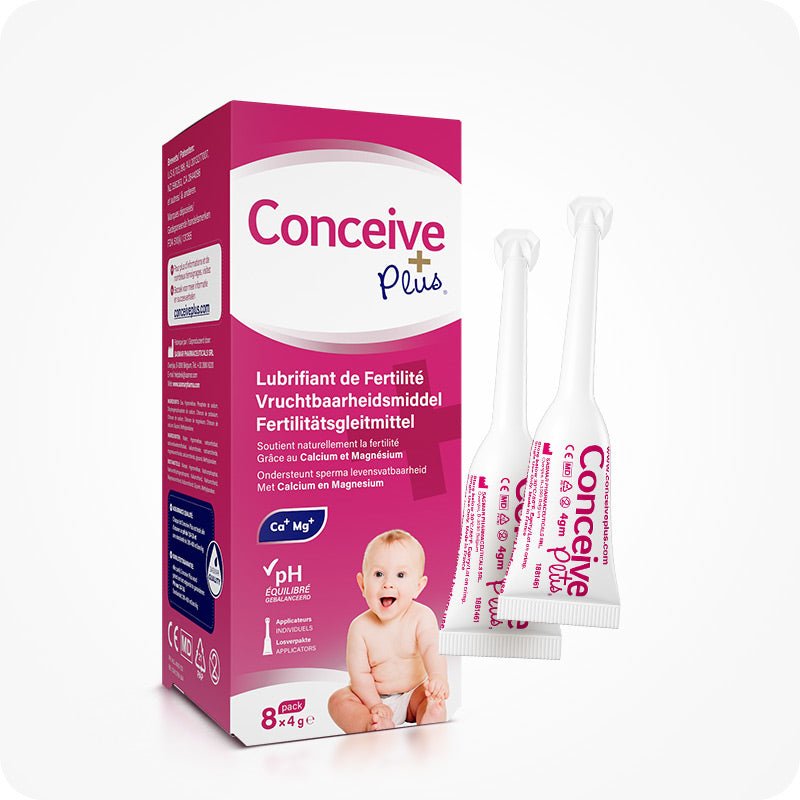
During ovulation induction cycles, using a fertility-friendly lubricant like Conceive Plus Fertility Lubricant can help maximise the chances from each ovulatory cycle.
Gonadotropin Injections
For women who don't respond to oral medications, injectable FSH can stimulate follicle development. This requires careful monitoring.
IVF for PCOS
IVF can be highly successful for PCOS, as the main barrier (ovulation) is bypassed. Women with PCOS often produce more eggs per cycle. However, careful protocol selection is crucial to reduce OHSS risk.
PCOS and Pregnancy: What to Know
Women with PCOS have higher rates of gestational diabetes, pregnancy-induced hypertension, and preterm birth. Close monitoring is essential. With proper management, most women with PCOS have healthy pregnancies and babies.
Frequently Asked Questions
- Can I get pregnant naturally with PCOS? Yes. Many women with PCOS conceive without medical intervention, especially with lifestyle modifications.
- What is the best treatment? Letrozole is currently considered first-line ovulation induction for PCOS.
- Does PCOS affect egg quality? PCOS doesn't typically damage egg quality, but hormonal imbalances prevent eggs from releasing properly.
- How much weight do I need to lose? Even 5% body weight loss can restore ovulation in many women.
- Does PCOS get worse with age? PCOS symptoms often improve with age as ovarian reserve declines.
- Is IVF more successful for PCOS? Success rates are generally good, often better than age-matched women without PCOS.
- What diet is best? Low glycaemic load, Mediterranean-style eating with adequate protein and healthy fats.
- Can stress worsen PCOS? Yes. Stress elevates cortisol, worsening insulin resistance.
- Do I need a specialist? A reproductive endocrinologist is best equipped for PCOS infertility.
- Can I take inositol with supplements? Check with your healthcare provider about additional supplementation.
Your Journey, Our Support
Whether you are just starting to try or have been on this path for a while, Conceive Plus is here for you. Our fertility-friendly products are developed with reproductive health specialists to support your body natural fertility.