IVF Preparation: How to Prepare Your Body and Mind for In Vitro Fertilisation


IVF Preparation: How to Prepare Your Body and Mind for In Vitro Fertilisation
Preparing for IVF is one of the most significant steps a couple can take on their fertility journey. Whether you've been referred to assisted reproduction after months or years of trying naturally, or you're beginning IVF as a first-line treatment, understanding how to prepare effectively can meaningfully improve your outcomes.
IVF success rates are influenced by factors you can control—and many of those preparations begin months before your first clinic appointment. This guide covers every dimension of IVF preparation: physical, nutritional, emotional, and logistical.
Understanding the IVF Process: What to Expect
Before preparing, it helps to understand what IVF involves. The process typically unfolds over 4–6 weeks per cycle:
- Ovarian stimulation (8–14 days): Daily hormone injections (FSH and/or LH) stimulate the ovaries to produce multiple follicles. Regular ultrasound monitoring tracks follicle development
- Trigger shot: When follicles reach mature size (typically 18–20mm), an hCG or GnRH agonist trigger shot induces final egg maturation
- Egg retrieval: 36 hours after the trigger shot, eggs are retrieved under sedation via transvaginal ultrasound-guided aspiration
- Fertilisation: Retrieved eggs are fertilised with sperm in the laboratory (standard IVF) or via intracytoplasmic sperm injection (ICSI)
- Embryo culture: Fertilised eggs are cultured for 3–5 days (cleavage stage) or 5–7 days (blastocyst stage)
- Embryo transfer: One (or sometimes two) embryo(s) are transferred to the uterus. Additional viable embryos are frozen
- The wait: A pregnancy test is performed approximately 10–14 days after transfer
Success rates vary significantly by age: approximately 40–45% per transfer cycle for women under 35, declining to 15–20% for women over 40 using their own eggs. Understanding these figures helps set realistic expectations while maintaining hope.
Optimising Egg Quality Before IVF
🌟 Ready to give your conception journey the best possible start?
Conceive Plus is trusted by thousands of couples and recommended by fertility clinics worldwide. Shop the full range today.
Shop Conceive Plus →Egg quality is one of the most important determinants of IVF success, and it's influenced by factors you can optimise in the months preceding your cycle:
CoQ10 supplementation: Coenzyme Q10 is essential for mitochondrial energy production in eggs. As women age, CoQ10 levels decline, contributing to reduced egg quality. Multiple studies show that supplementing with 400–600mg of ubiquinol (the active form) for at least 90 days before IVF improves egg retrieval numbers and embryo quality. This is one of the most evidence-backed nutritional interventions for egg quality.
DHEA supplementation (under medical guidance): Dehydroepiandrosterone (DHEA), a precursor to testosterone and oestrogen, may improve ovarian response and egg quality in poor responders. Typical doses are 25–75mg daily for 3–4 months. DHEA requires medical supervision and testing as it's not appropriate for all women.
Antioxidant-rich diet: Oxidative stress damages egg DNA. Increase intake of colourful vegetables, berries, leafy greens, nuts, and oily fish to provide broad antioxidant coverage.
Vitamin D optimisation: Multiple studies link optimal vitamin D levels (above 50 nmol/L) with higher IVF success rates. Test your levels 3 months before starting IVF and supplement if deficient.
Avoid alcohol and smoking completely: Both are significantly detrimental to egg quality. Alcohol should be eliminated entirely; smoking dramatically accelerates ovarian ageing and reduces IVF success rates by up to 50%.
Optimising Sperm Quality Before IVF
Even in IVF, sperm quality matters—especially for fertilisation rates and embryo development. Spermatogenesis takes approximately 90 days, so the following changes should begin at least 3 months before the cycle:
- Zinc and selenium: Critical minerals for sperm formation and antioxidant protection; found in oysters, meat, Brazil nuts, and eggs
- L-carnitine and L-arginine: Support sperm motility and energy metabolism
- CoQ10 for sperm: As with eggs, CoQ10 supports sperm mitochondrial function and reduces DNA fragmentation
- Avoid heat: Scrotal temperature directly affects sperm production—avoid hot baths, saunas, and prolonged laptop use on the lap
- Moderate exercise: Regular moderate physical activity improves sperm parameters; avoid excessive endurance training which can reduce testosterone
- Limit alcohol: Alcohol reduces testosterone and directly impairs sperm quality
Lifestyle Optimisations for IVF Success
Beyond nutrition, broader lifestyle factors significantly influence IVF outcomes:
Achieve a healthy weight: Both underweight and overweight status are associated with reduced IVF success rates. BMI between 18.5 and 27 is generally associated with optimal outcomes. If weight is a concern, work toward gradual, sustainable changes rather than crash dieting.
Exercise appropriately: Moderate exercise (30 minutes of walking, yoga, or swimming daily) supports overall health and reduces stress without the risks associated with high-intensity training. Avoid strenuous exercise during the stimulation phase and after transfer.
Optimise sleep: Sleep deprivation disrupts the hormonal environment essential for successful IVF. Aim for 7–9 hours of quality sleep. Establish a consistent sleep schedule and create a cool, dark sleep environment.
Reduce exposure to endocrine disruptors: Chemicals like BPA (in plastics), phthalates (in cosmetics and fragrances), and pesticides can interfere with reproductive hormones. Switch to glass or stainless steel water bottles, choose fragrance-free personal care products, and wash produce thoroughly.
Stop smoking and minimise alcohol: Both should be eliminated completely when preparing for IVF. The evidence for harm is robust and unambiguous.
Managing the Emotional Journey of IVF
IVF is emotionally demanding—hope, anxiety, grief, and uncertainty often coexist throughout the process. Acknowledging this reality and building support structures is as important as physical preparation:
Seek professional support: Many fertility clinics offer access to fertility counsellors—use this resource. Cognitive behavioural therapy (CBT) and mindfulness-based interventions have shown benefit in reducing anxiety during fertility treatment and in some studies have improved pregnancy rates.
Communicate with your partner: IVF can strain relationships as both partners process stress differently. Establish regular, honest communication about fears, expectations, and needs. Consider couples counselling if communication becomes difficult.
Set boundaries with family and friends: Decide in advance how much you want to share and with whom. Unsolicited advice and questions from well-meaning relatives can add significant emotional burden. It's acceptable to maintain privacy about your treatment.
Manage expectations cycle by cycle: IVF often requires multiple cycles. Preparing emotionally for the possibility of a negative result—while maintaining hope—is a difficult but important balance. Focus on what you can control (preparation, lifestyle, compliance with treatment) and accept what you cannot.
Preparing for the Practical Aspects of IVF
IVF involves significant logistical and financial planning:
- Understand your clinic's protocol: Ask for a written overview of your treatment protocol, including medications, monitoring appointments, and expected timelines
- Financial planning: Understand all costs, including medications, any additional tests (PGT-A, ERA), and the possibility of multiple cycles
- Workplace planning: Consider how you'll manage monitoring appointments (typically early morning) and potential time off after retrieval and transfer
- Medication preparation: Injections may feel daunting at first—ask your clinic for a demonstration and practice with the nurse coordinator
- Support network: Identify who you'll lean on for practical support (transport, meal preparation) and emotional support during treatment
The Two-Week Wait After Transfer: Surviving Without Going Mad
The two-week wait (TWW) after embryo transfer is notoriously difficult. Symptoms of early pregnancy are virtually identical to progesterone side effects from your medication—making symptom-spotting unreliable and anxiety-inducing.
Strategies for the TWW:
- Continue gentle exercise (walking, light yoga)—there's no evidence that rest improves outcomes after transfer
- Stay occupied with enjoyable activities—work, hobbies, social plans
- Avoid home pregnancy tests before the official test date—early testing at home often produces misleading results
- Lean on your support network
- Practice mindfulness or meditation to manage anxiety
Frequently Asked Questions About IVF Preparation
Q: How far in advance should I start preparing for IVF?
A: Ideally 3–6 months before starting a cycle. This allows time for dietary changes, supplementation, and lifestyle modifications to fully impact egg and sperm quality.
Q: Does acupuncture help with IVF?
A: Evidence is mixed. Some studies show modest benefit, particularly for anxiety reduction. If you find it helpful and relaxing, it's unlikely to cause harm during IVF preparation.
Q: Should I take progesterone support after transfer?
A: Your clinic will prescribe progesterone support (pessaries, gel, or injections) as part of the IVF protocol. Follow their prescribed regime exactly—don't add or remove without guidance.
Q: Can I drink coffee during IVF?
A: Limit caffeine to under 200mg per day (about one standard coffee). Some clinics recommend eliminating caffeine entirely during the stimulation phase and after transfer.
Q: Does Conceive Plus benefit IVF preparation?
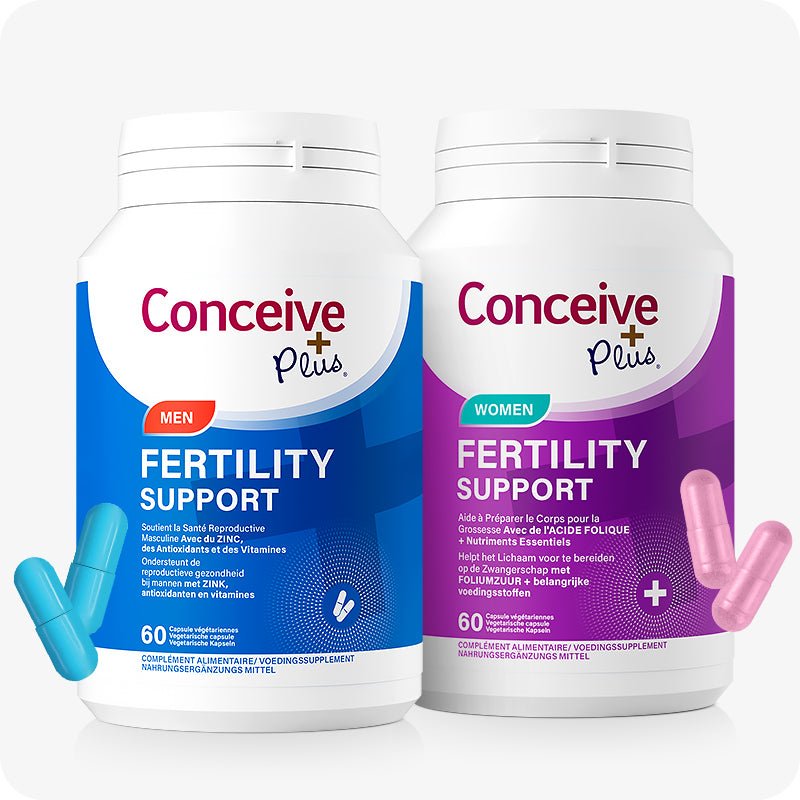
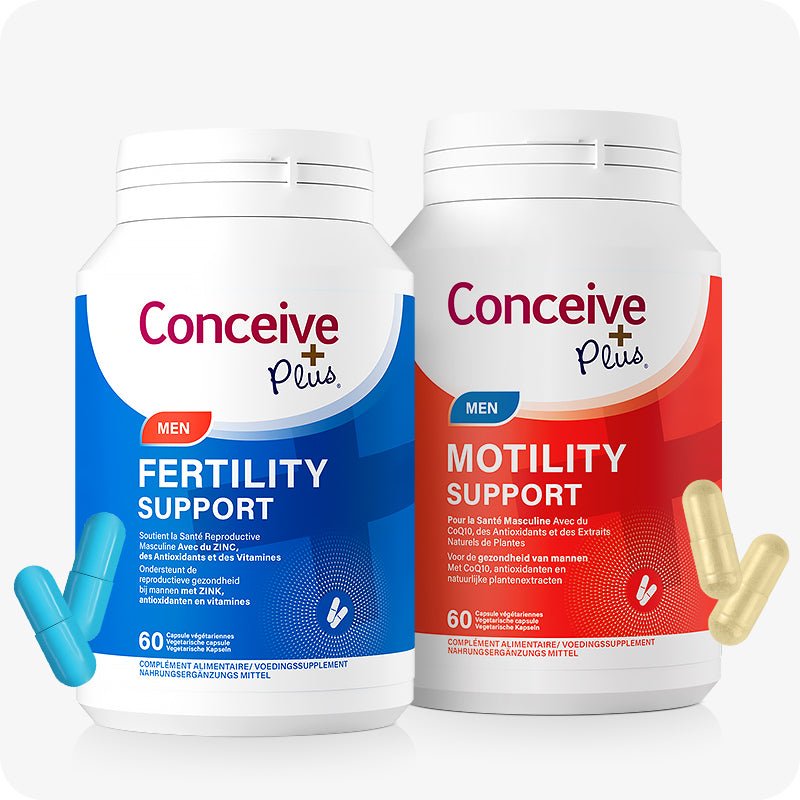
A: The Conceive Plus supplement range—particularly the Women's Fertility Support and Men's Fertility Support products—provides targeted nutrients to support egg and sperm quality before IVF. Many fertility clinics recommend Conceive Plus products as part of a comprehensive preparation protocol.
Q: How do I know if my embryos are good quality?
A: Your embryologist will grade embryos based on cell number, symmetry, and fragmentation (for Day 3 transfers) or expansion and inner cell mass quality (for blastocysts). Ask your clinic to explain the grading system they use.
Q: What happens to frozen embryos if the fresh transfer succeeds?
A: Frozen embryos can be stored for future sibling cycles (many couples use them for a second child) or for many years. Storage protocols and costs vary by clinic.
Q: Is there a maximum age for IVF?
A: Clinics vary in their upper age limits. In most European countries, there is no legal maximum, but clinics set their own thresholds based on success rates and clinical judgement. Donor egg IVF can be an option when success rates with own eggs are very low.
Start Your Journey with Conceive Plus
Join thousands of couples who trust Conceive Plus to support their path to parenthood. Clinically backed, fertility-focused, and available worldwide.
Shop Now at Conceive Plus →