IVF Preparation: A Complete Guide to Getting Your Body Ready for Treatment


IVF Preparation: A Complete Guide to Getting Your Body Ready for Treatment
Deciding to pursue in vitro fertilisation (IVF) is a significant step — one that involves considerable physical, emotional, and financial investment. Preparing your body thoroughly in the months before your first IVF cycle can meaningfully improve your response to stimulation, egg quality, embryo development, and ultimately your chances of a successful outcome. This comprehensive guide covers everything you need to know about IVF preparation, from the evidence-based lifestyle changes that move the needle to the supplements most frequently recommended by fertility specialists across Europe.
Conceive Plus has supported thousands of women and couples preparing for IVF cycles, and our formulations are designed to complement — not replace — the protocols your reproductive endocrinologist will prescribe. Think of this guide as your preparation blueprint for the months leading up to your first (or next) cycle.
How Far in Advance Should You Start Preparing for IVF?
The single most important timing principle in IVF preparation is understanding biological development timelines. Eggs (oocytes) begin their development cycle approximately 90–120 days before ovulation. Sperm take approximately 72 days to mature completely. This means that the lifestyle, nutrition, and supplement changes you make today will directly influence the eggs and sperm that will be used in your IVF cycle — but only if you start those changes at least 3 months in advance.
The ideal IVF preparation timeline is:
- 4–6 months before IVF: Begin comprehensive lifestyle and nutritional changes; consult a fertility nutritionist if possible; start targeted supplementation
- 3 months before IVF: Complete baseline health screening; ensure both partners have completed semen analysis and hormonal assessments; review supplementation with your clinic
- 6–8 weeks before IVF: Complete any recommended pre-cycle procedures (endometrial scratch, ERA biopsy, immune testing if relevant)
- 2–4 weeks before IVF: Begin any prescribed pre-cycle medications (contraceptive pill, progesterone priming, DHEA if recommended); attend all pre-cycle monitoring appointments
The earlier you begin preparation, the greater the biological benefit. However, even 6–8 weeks of targeted preparation is better than none at all.
Nutrition for IVF Preparation: What the Evidence Says
Diet is one of the most influential modifiable factors in IVF outcomes. A growing body of research consistently shows that dietary quality affects egg quality, embryo development, endometrial receptivity, and live birth rates.
The most extensively studied dietary pattern in relation to IVF success is the Mediterranean diet. A large prospective study published in Human Reproduction found that women who followed a Mediterranean diet in the six months before IVF had a significantly higher probability of achieving clinical pregnancy (65.7% vs 46.4%) and live birth compared to those with lower adherence. These are remarkable differences for a dietary intervention alone.
Key dietary principles for IVF preparation include:
- Prioritise antioxidant-rich foods: Oxidative stress can damage egg DNA and reduce embryo quality. Colourful vegetables (especially dark leafy greens, tomatoes, berries, and citrus), olive oil, nuts, and seeds provide the antioxidants that protect developing eggs.
- Eat oily fish twice weekly: DHA from omega-3 fatty acids is incorporated into egg cell membranes and is associated with higher quality embryos and improved IVF outcomes. Salmon, sardines, mackerel, and trout are excellent choices.
- Choose low-glycaemic carbohydrates: Stable blood sugar supports hormonal balance. Whole grains, legumes, and vegetables replace refined carbohydrates in an IVF-supportive diet.
- Reduce alcohol to zero: Even moderate alcohol consumption is associated with reduced egg retrieval numbers, lower fertilisation rates, and reduced IVF success rates. Most fertility clinics in Europe recommend complete abstinence for at least 3 months before and throughout IVF.
- Limit caffeine to 1–2 cups daily: High caffeine intake has been associated with higher miscarriage rates and may reduce implantation success. Reduce to under 200mg daily (approximately 2 small cups of coffee).
- Hydrate adequately: Cellular hydration supports follicle development and reduces the risk of ovarian hyperstimulation syndrome (OHSS) during stimulation. Aim for 8–10 glasses of water daily.
Supplements for IVF Preparation: Evidence and Recommendations
Targeted supplementation in the months before IVF is now broadly recommended by European fertility clinics. The key supplements with the strongest evidence include:
CoQ10 (Coenzyme Q10)
CoQ10 is perhaps the most evidence-backed supplement for IVF preparation. It plays a fundamental role in mitochondrial energy production — and mitochondria are critically important in oocytes, which require enormous energy reserves for fertilisation and early embryo development. As CoQ10 levels naturally decline with age (particularly after 35), supplementation has shown significant benefits in clinical studies. A 2018 randomised controlled trial found that CoQ10 supplementation before IVF improved ovarian response, egg number, and embryo quality in women with diminished ovarian reserve. Typical doses used in IVF preparation range from 400–1,200mg daily of ubiquinol (the active form).
DHEA (Dehydroepiandrosterone)
DHEA is recommended by many European fertility clinics for women with diminished ovarian reserve (low AMH or high FSH) who are preparing for IVF. It is a precursor to testosterone and oestrogen and has been shown to improve ovarian response to stimulation, increase the number of eggs retrieved, reduce embryo aneuploidy rates, and improve live birth rates in poor responders. Typical dosing is 25–75mg daily for 6–12 weeks before IVF. DHEA should only be taken under medical supervision, as it can have androgenic side effects.
Methylfolate (5-MTHF)
Folate is essential for DNA replication, cell division, and neural tube development. For IVF preparation, the preferred form is methylfolate (5-MTHF) rather than synthetic folic acid, as it bypasses the MTHFR enzyme — a gene variant that impairs folic acid conversion in a significant proportion of Europeans. Most European fertility guidelines recommend starting folate supplementation at least 3 months before IVF (and continuing through the first trimester). Conceive Plus supplements use methylfolate for this reason.
Vitamin D3
Vitamin D deficiency is highly prevalent across Europe, and research consistently links adequate vitamin D levels with improved IVF outcomes. A meta-analysis published in the Journal of Clinical Endocrinology and Metabolism found that vitamin D-sufficient women had significantly higher clinical pregnancy rates per IVF cycle compared to those who were deficient. Checking vitamin D levels via blood test before IVF is recommended, with supplementation adjusted accordingly (typically 2,000–4,000 IU daily for those who are deficient).
Omega-3 DHA/EPA
As noted in the nutrition section, omega-3 fatty acids directly affect egg cell membrane quality and embryo development. Supplementation with 1,000–2,000mg DHA/EPA daily (in the triglyceride form for best absorption) is commonly recommended in IVF preparation protocols.
Inositol (for PCOS patients)
For women with polycystic ovary syndrome preparing for IVF, myo-inositol supplementation has shown particularly strong evidence. Multiple European RCTs have demonstrated that myo-inositol improves oocyte quality, fertilisation rates, and embryo quality in PCOS patients undergoing IVF, while also reducing the risk of OHSS.
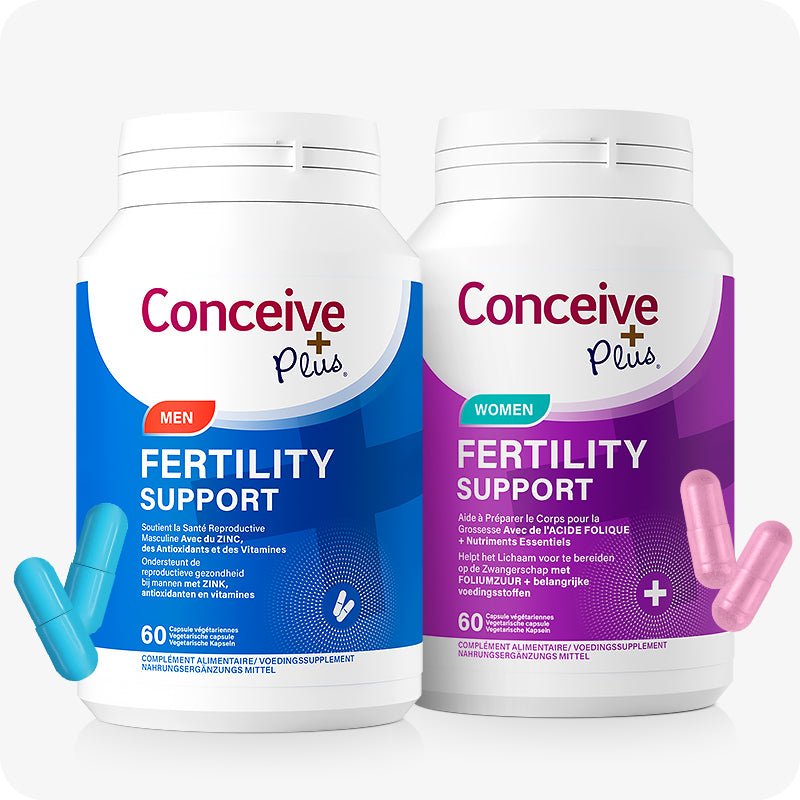
Our fertility supplements are formulated with key nutrients at clinically relevant doses to support egg quality, hormonal balance, and overall reproductive health. Explore our range at conceiveplus.eu/collections/fertility-supplements.
Lifestyle Factors That Significantly Affect IVF Outcomes
Beyond nutrition and supplementation, several modifiable lifestyle factors have meaningful effects on IVF success rates:
Sleep
Sleep is the body's primary repair and hormonal reset mechanism. Research has found that women who sleep less than 7 hours per night have lower oocyte retrieval numbers and worse IVF outcomes compared to those sleeping 7–9 hours. Growth hormone (secreted primarily during deep sleep) supports follicle development, and sleep deprivation elevates cortisol — the stress hormone that directly antagonises reproductive hormones. Prioritising sleep quality in the months before IVF is not optional.
Exercise
Moderate exercise (30 minutes of moderate aerobic activity, 4–5 times per week) supports hormonal regulation, reduces systemic inflammation, and improves insulin sensitivity — all beneficial for IVF preparation. However, high-intensity exercise (particularly vigorous cardio exceeding 4 hours per week) has been associated with reduced IVF success rates, possibly due to its effects on energy availability and hormonal signalling. During the stimulation phase of IVF, most clinics recommend reducing exercise intensity significantly and avoiding anything that raises core temperature or poses a risk of ovarian torsion.
Body Weight
Both underweight (BMI under 18.5) and overweight (BMI over 27–30) are associated with poorer IVF outcomes — reduced response to stimulation, lower egg numbers, higher miscarriage rates, and reduced live birth rates. Even modest improvements — losing 5–10% of body weight if overweight — can significantly improve outcomes. Many European fertility clinics have BMI thresholds above which they recommend weight management before proceeding with treatment.
Smoking
Smoking is one of the most damaging factors for reproductive health. In women, it accelerates ovarian ageing, reduces egg quality, and can advance menopause by up to 4 years. In men, it damages sperm DNA and reduces motility. Fertility clinics across Europe unanimously recommend complete cessation before starting IVF, and the earlier the better — ideally at least 3 months before the cycle to allow full recovery.
Environmental Toxins and Endocrine Disruptors
Bisphenol A (BPA) and phthalates — found in certain plastics, food packaging, cosmetics, and cleaning products — are endocrine disruptors with direct effects on egg quality, hormonal function, and sperm parameters. During IVF preparation, many fertility specialists recommend:
- Avoiding plastic food containers, especially for hot foods or liquids
- Choosing fragrance-free, paraben-free personal care products
- Using stainless steel or glass water bottles
- Ventilating when cleaning or painting
- Choosing organic produce where feasible (particularly for high-pesticide items)
Mental and Emotional Preparation for IVF
IVF is emotionally demanding. Research shows that the psychological burden of fertility treatment is comparable to that of a cancer diagnosis for many patients, and that psychological stress during IVF can affect outcomes through its effects on cortisol, immune function, and uterine blood flow.
Evidence-based psychological support strategies include:
- Mindfulness-based stress reduction (MBSR): Several RCTs have found that MBSR programmes reduce anxiety and depression in IVF patients and may improve pregnancy rates.
- Acupuncture: While the evidence is mixed, many patients report significant stress reduction benefits, and some studies suggest improved blood flow to the uterus.
- Cognitive behavioural therapy (CBT): Particularly effective for managing the cyclical anxiety of TTC and IVF — the "hope and crash" pattern of each cycle.
- Fertility counselling: Most European IVF clinics offer or can refer to fertility counsellors who specialise in the unique emotional landscape of assisted reproduction.
Partner Preparation for IVF
IVF may involve one partner's eggs and one partner's sperm, but both partners' health matters. The quality of the sperm used for fertilisation directly affects fertilisation rates, embryo development, and miscarriage risk. Male IVF preparation should include:
- Semen analysis and sperm DNA fragmentation testing
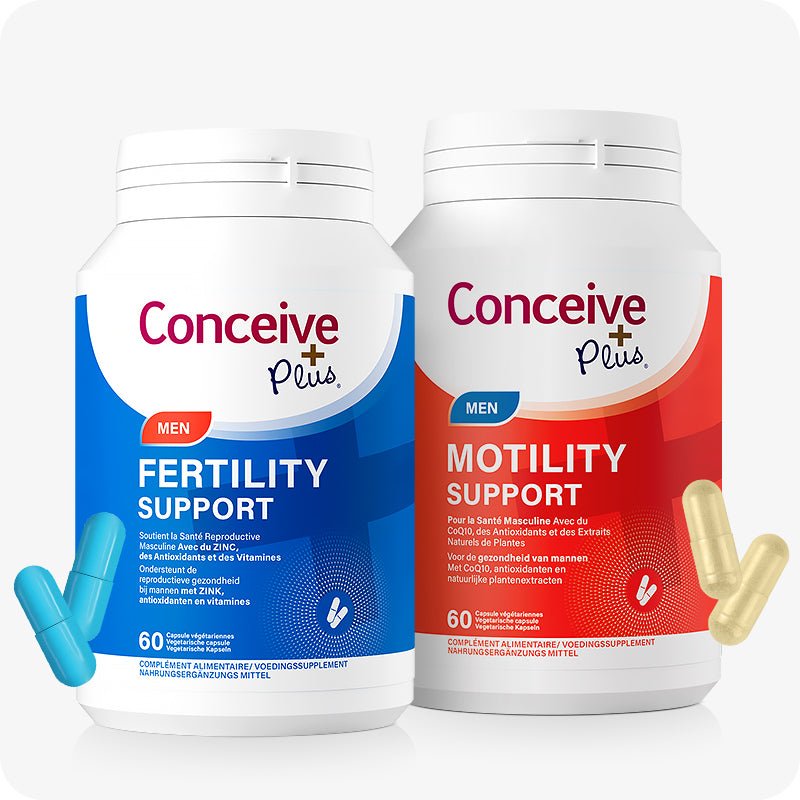
- Targeted supplementation (zinc, selenium, CoQ10, L-carnitine) starting 3 months before egg retrieval
- Cessation of smoking and reduction of alcohol to zero
- Avoiding hot baths, saunas, and tight underwear (heat damages sperm)
- Managing antioxidant intake through diet and supplementation
Understanding Your IVF Protocol
Modern IVF involves several distinct phases, and understanding what each involves helps reduce anxiety and supports informed decision-making:
- Ovarian stimulation: Injectable FSH medications stimulate multiple follicle development over 8–14 days, monitored by ultrasound and blood tests
- Egg retrieval (oocyte pick-up): A minor surgical procedure performed under sedation; typically takes 15–30 minutes
- Fertilisation: Eggs are combined with sperm (conventional IVF) or individually injected with sperm (ICSI) in the laboratory
- Embryo development: Fertilised eggs (embryos) are cultured for 3–5 days, during which their development is graded by embryologists
- Embryo transfer: One (or occasionally two) highest-quality embryos are transferred to the uterus; remaining viable embryos may be frozen for future cycles
- Luteal support: Progesterone is prescribed to support the uterine lining; a pregnancy test is performed approximately 10–14 days after transfer
Frequently Asked Questions About IVF Preparation
Does preparation actually improve IVF success rates?
Yes — the evidence is clear that egg quality, sperm quality, uterine health, and systemic inflammation are all modifiable through lifestyle and nutrition. These factors directly influence the success of each IVF step, from response to stimulation through to implantation. While preparation cannot overcome all challenges, it optimises the biological starting conditions for every cycle.
How long should I prepare before starting IVF?
Ideally 3–6 months, to allow full impact on egg and sperm maturation cycles. However, even 6–8 weeks of targeted preparation is beneficial.
Should both partners prepare?
Yes. Sperm quality affects fertilisation, embryo quality, and miscarriage risk. Male preparation is often overlooked but genuinely important for IVF outcomes.
Is CoQ10 safe to take before IVF?
CoQ10 has an excellent safety profile and is very well tolerated. Always inform your fertility clinic of any supplements you are taking so they can advise within the context of your specific protocol.
Can I exercise during IVF stimulation?
During stimulation, most clinics recommend reducing exercise significantly — particularly avoiding high-intensity cardio, contact sports, or anything that risks ovarian torsion (twisting), which becomes a risk as follicles enlarge. Gentle walking and yoga are generally acceptable; confirm specifics with your clinic.
What is the most important supplement for IVF preparation?
This depends on your individual situation and results. CoQ10 has the strongest overall evidence for egg quality. Vitamin D is critical if you are deficient. Methylfolate is essential for all women. A good prenatal multivitamin that includes these alongside a separate CoQ10 and omega-3 supplement covers the most important bases.
Does acupuncture help with IVF?
The evidence on acupuncture and IVF success is mixed — some studies show benefit, particularly for stress reduction and uterine blood flow, while others show no significant effect on live birth rates. It is generally considered safe and may offer benefit, particularly for the emotional and stress management aspects of treatment.
How does BMI affect IVF outcomes?
Both low and high BMI are associated with worse outcomes. High BMI particularly affects response to stimulation, egg quality, and miscarriage rates. Even a modest reduction of 5–10% of body weight can improve outcomes in overweight patients.
What should I avoid in the two weeks before egg retrieval?
Avoid alcohol, smoking, high-intensity exercise, saunas, hot tubs, and unnecessary medications (unless prescribed by your clinic). Reduce caffeine and focus on sleep, hydration, and stress management.
Is IVF preparation different for women over 40?
Yes — women over 40 typically have lower ovarian reserve and higher rates of egg aneuploidy (chromosomal abnormality). The preparation principles are the same but more urgent: CoQ10 supplementation is particularly important, and the timeline should be 6 months rather than 3 where possible. Preimplantation genetic testing (PGT-A) may be offered to select chromosomally normal embryos.
Whether you are just starting your journey or preparing for another cycle, Conceive Plus fertility supplements are formulated to support the key biological pathways that matter for IVF success. Used by couples across Europe, our supplements combine clinically relevant nutrients in bioavailable forms designed for conception. Shop now at conceiveplus.eu/collections/fertility-supplements.