Le zinc aide-t-il la fertilité masculine ? Science, bienfaits et ce que vous devez savoir


Un seul minéral pourrait-il vraiment augmenter votre concentration de spermatozoïdes de 12 % en seulement douze semaines ? Des données cliniques récentes suggèrent que c'est possible, pourtant de nombreux hommes restent coincés dans un cycle de fatigue liée aux suppléments en essayant de concevoir. Vous vous demandez probablement si le zinc aide la fertilité masculine ou s'il s'agit simplement d'une autre bouteille qui prend de la place dans votre armoire ? Il est frustrant de faire face à des conseils contradictoires, surtout lorsque les directives médicales de 2024 de l'AUA et de l'ASRM qualifient encore les preuves concernant les antioxydants d'inconcluantes. Vous souhaitez une voie claire sans l'angoisse de choisir le mauvais produit.
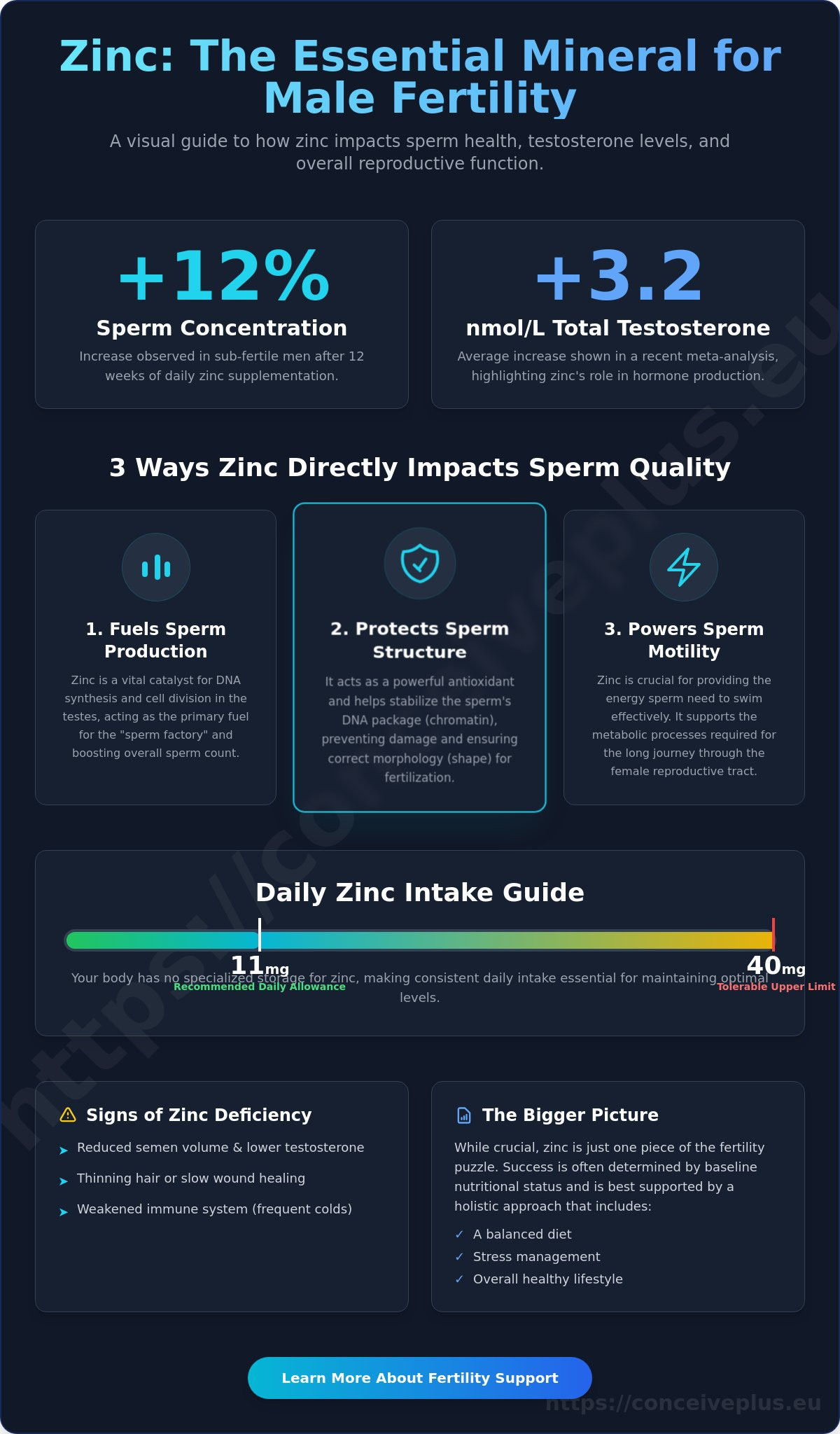
Nous sommes là pour vous aider à faire le tri et à comprendre la nécessité biologique de ce pilier de la reproduction. Vous découvrirez comment le zinc impacte les niveaux de testostérone et la production de spermatozoïdes, soutenu par des recherches comme une méta-analyse de 2024 montrant une augmentation de 3,2 nmol/L de la testostérone totale. Cet article décompose le rôle biologique du zinc et examine si la supplémentation peut réellement améliorer vos chances de conception, tout en abordant les données contradictoires issues d'essais comme l'étude NIH de 2020. Nous couvrirons également l'exigence quotidienne de 11 mg et la limite de sécurité de 40 mg, vous offrant la clarté nécessaire pour décider si ajouter un supplément est la bonne décision pour votre santé.
Points clés à retenir
- Apprenez comment le zinc agit comme un catalyseur vital pour la synthèse de l'ADN, formant la base même d'une production saine de spermatozoïdes dans les testicules.
- Découvrez la nuance scientifique derrière la question, le zinc aide-t-il la fertilité masculine, en explorant pourquoi une carence de base est souvent le facteur décisif dans le succès de la supplémentation.
- Explorez les façons spécifiques dont ce minéral soutient le nombre de spermatozoïdes et fournit l'énergie nécessaire à une motilité optimale durant le parcours de la conception.
- Identifiez l'apport nutritionnel recommandé de 11 mg et les limites de sécurité à connaître avant de commencer un nouveau régime.
- Comprenez pourquoi le zinc n'est qu'une pièce du puzzle et comment des facteurs liés au mode de vie, comme la gestion du stress et l'alimentation, contribuent à la santé reproductive globale.
Le lien biologique entre le zinc et la fertilité masculine
Le zinc n'est pas seulement un oligo-élément ; c'est un élément fondamental pour la santé reproductive masculine. Contrairement à certains nutriments que le corps peut stocker pendant des mois, le zinc doit être consommé quotidiennement car votre organisme ne dispose d'aucun mécanisme de stockage spécialisé. Cette demande constante est particulièrement critique dans les testicules, où les concentrations de zinc sont nettement plus élevées que dans d'autres tissus. Il agit comme un catalyseur principal pour la synthèse de l'ADN et la division cellulaire. Sans lui, le processus complexe de création de nouvelles cellules spermatiques peut s'arrêter ou entraîner des erreurs structurelles qui compromettent l'ensemble du processus reproductif.
Lorsqu’on se demande le zinc aide-t-il la fertilité masculine, la réponse réside souvent dans ses capacités protectrices. Les spermatozoïdes sont extrêmement vulnérables au stress oxydatif, qui peut endommager leurs membranes délicates et leur matériel génétique. Le zinc agit comme un puissant antioxydant, neutralisant les radicaux libres nocifs avant qu’ils n’interfèrent avec le développement des spermatozoïdes. En maintenant cet équilibre chimique, le minéral garantit que les cellules restent viables à mesure qu’elles mûrissent et se préparent pour le voyage vers l’ovule. Pour mieux comprendre ce concept, regardez cette vidéo utile :
Pourquoi le sperme contient-il des niveaux élevés de zinc
La glande prostatique joue un rôle vital ici, en sécrétant de fortes concentrations de zinc dans le liquide séminal lors de l’éjaculation. Ce n’est pas un hasard. Le minéral remplit une fonction structurelle spécifique en aidant à stabiliser la chromatine du spermatozoïde, qui est l’enveloppe contenant l’ADN. Les recherches sur le rôle du zinc dans le sperme montrent que cette stabilisation est cruciale pour le parcours dans le tractus reproducteur féminin. Plus précisément, des niveaux adéquats de zinc empêchent la fragmentation de l’ADN dans les spermatozoïdes, garantissant que le matériel génétique reste intact et fonctionnel pour la fécondation.
Identifier les signes de carence en zinc
Bien que la carence sévère soit rare dans de nombreuses régions, des niveaux sous-optimaux sont courants en raison des habitudes alimentaires modernes. Les aliments raffinés et les régimes riches en phytates, souvent présents dans les céréales non trempées, peuvent bloquer l’absorption des minéraux. Vous pourriez remarquer des signes physiques comme un amincissement des cheveux, une cicatrisation lente ou un système immunitaire affaibli vous rendant sujet à des rhumes fréquents. En ce qui concerne la santé reproductive, de faibles niveaux de zinc sont souvent directement corrélés à une réduction du volume de sperme et à une baisse de la production de testostérone. Si le corps ne dispose pas de suffisamment de zinc pour soutenir les fonctions cellulaires de base, il privilégie souvent la survie au détriment de systèmes comme la reproduction, entraînant une baisse notable des marqueurs de fertilité. Une prise quotidienne régulière est la seule façon de maintenir ces niveaux stables, car le corps ne peut pas constituer de réserve.
3 façons dont le zinc impacte directement la qualité du sperme
Comprendre exactement comment ce minéral agit dans le corps aide à répondre à la question centrale : le zinc aide-t-il la fertilité masculine ? Il ne s'agit pas seulement de santé générale ; le zinc cible des paramètres spécifiques qui déterminent si un spermatozoïde peut féconder un ovule avec succès. Une étude randomisée contrôlée de 2023 impliquant 112 hommes subfertiles a montré une augmentation de 12 % de la concentration de spermatozoïdes après 12 semaines de supplémentation quotidienne de 30 mg de picolinate de zinc. Cela suggère que le zinc soutient la prolifération des cellules germinales dans les testicules, agissant efficacement comme le carburant de la « fabrique de spermatozoïdes ».
Au-delà du nombre, la morphologie ou la forme physique des spermatozoïdes est essentielle. Pour pénétrer la couche externe d’un ovule, un spermatozoïde doit avoir une tête et une queue parfaitement formées. Le zinc aide à maintenir l’intégrité structurelle de ces cellules pendant leur cycle de développement de 74 jours. Selon une revue scientifique sur le zinc et la fertilité, ce minéral est essentiel pour prévenir les anomalies qui entraînent des spermatozoïdes mal formés. Si vous souhaitez soutenir la production naturelle de votre corps, explorer un soutien axé sur la fertilité peut être une étape utile dans votre parcours.
Améliorer la motilité et la vitesse de nage des spermatozoïdes
Pour évaluer comment le zinc aide la fertilité masculine, il faut considérer l’énergie mécanique nécessaire à la conception. Les spermatozoïdes doivent être d’excellents nageurs pour atteindre leur cible. Cette capacité de nage, appelée motilité, dépend fortement du métabolisme du flagelle, ou queue du spermatozoïde. Le zinc fournit l’énergie chimique nécessaire à ce mouvement. Les hommes présentant un statut minéral faible ont souvent un pourcentage plus élevé de « nageurs lents » dans leur analyse de sperme. Le zinc joue également un rôle dans la capacitation, qui est l’étape finale de maturation que les spermatozoïdes subissent dans le tractus reproducteur féminin. Sans ce processus, même un spermatozoïde rapide ne peut fusionner avec un ovule. En assurant des niveaux adéquats de zinc, vous donnez aux spermatozoïdes la meilleure chance d’accomplir leur long périple.
Zinc et la connexion avec la testostérone
Le lien entre le zinc et la testostérone est l’un des aspects les plus négligés de la santé reproductive masculine. Le zinc agit comme un régulateur naturel en inhibant l’aromatase, l’enzyme responsable de la conversion de la testostérone en œstrogène. Lorsque les niveaux de zinc sont faibles, cette conversion peut augmenter, entraînant un déséquilibre hormonal qui diminue la libido et réduit la production de spermatozoïdes. Une méta-analyse de 2024 portant sur 14 essais a révélé que la supplémentation en zinc entraînait une augmentation moyenne de 3,2 nmol/L de la testostérone totale. Cet effet était encore plus marqué chez les hommes dont les niveaux de base étaient inférieurs à 10 nmol/L. En soutenant l’axe hypothalamo-hypophyso-gonadique, le zinc assure une communication efficace entre le cerveau et les testicules pour maintenir les hormones reproductives à leur niveau optimal.
Le débat scientifique : la supplémentation en zinc fonctionne-t-elle vraiment ?
La communauté scientifique ne s’accorde pas toujours sur une réponse unique lorsque les hommes demandent : « le zinc aide-t-il la fertilité masculine ? » Bien que le rôle biologique du zinc soit indiscutable, les essais cliniques produisent souvent des résultats contradictoires. Cette confusion provient généralement du « facteur de base ». Si un homme a déjà des niveaux optimaux de zinc, en ajouter davantage ne créera pas forcément des « super spermatozoïdes ». Cependant, pour le grand pourcentage d’hommes ayant des niveaux sous-optimaux à cause du stress, d’une mauvaise alimentation ou d’un exercice intense, la supplémentation peut être le maillon manquant. Il s’agit de corriger un plancher nutritionnel plutôt que d’élever indéfiniment un plafond.
Il existe aussi une distinction entre l’infertilité clinique causée par des blocages physiques et la fertilité sous-optimale due à des carences nutritionnelles. Le zinc est un outil de soutien puissant pour cette dernière. Il agit plus efficacement lorsqu’il est associé à d’autres antioxydants comme les vitamines C et E. Ces nutriments créent un bouclier synergique, protégeant l’ADN des spermatozoïdes des dommages oxydatifs plus efficacement que ne pourrait le faire un seul minéral. Si vous cherchez une manière complète de soutenir ces niveaux, vous pouvez explorer des packs spécialisés pour la fertilité conçus en tenant compte de ces synergies.
Comprendre les résultats de l’étude JAMA
Une grande partie du scepticisme actuel provient d’une étude très médiatisée de 2020. Cette étude du NIH sur la supplémentation en zinc a suivi 2 370 couples et a conclu qu’une combinaison de zinc et d’acide folique n’améliorait pas significativement les taux de grossesse ni la qualité du sperme. Les critiques de l’étude soulignent qu’elle portait sur une population générale sans dépistage préalable de la carence en zinc. Si les participants avaient déjà suffisamment de zinc, la dose supplémentaire était simplement excrétée. Cela renforce l’idée que le zinc n’est pas une « pilule magique » pour tout le monde, mais plutôt une intervention ciblée pour ceux dont les niveaux sont insuffisants.
Pourquoi la qualité et la forme du zinc sont importantes
Tous les types de zinc ne se valent pas. De nombreux compléments génériques utilisent du sulfate de zinc car il est peu coûteux à produire. Malheureusement, il est aussi connu pour provoquer des troubles gastriques et présente une biodisponibilité plus faible, ce qui signifie que votre corps a du mal à l’absorber. Le picolinate de zinc et le gluconate de zinc sont généralement considérés comme supérieurs car le corps peut les transporter plus efficacement à travers la paroi intestinale. Choisir une forme à haute biodisponibilité garantit que le minéral atteint réellement les testicules où il est nécessaire. Prendre une dose excessive d’un seul minéral est rarement la solution ; une approche équilibrée et de haute qualité est toujours plus efficace pour la santé reproductive à long terme.
Meilleures sources et quantité de zinc dont un homme a besoin quotidiennement
Atteindre l'objectif quotidien est la première étape pratique pour optimiser votre santé reproductive. Pour les hommes adultes, l'Apport Journalier Recommandé (AJR) est de 11 mg par jour. Bien qu'il soit tentant de penser que plus c'est mieux, le niveau maximal tolérable (UL) est de 40 mg par jour. Rester dans cette fourchette est essentiel car un apport excessif peut interférer avec l'absorption du cuivre et potentiellement affaiblir le système immunitaire. Lorsque vous vous demandez si le zinc aide la fertilité masculine, il faut d'abord regarder votre assiette. Si votre alimentation est insuffisante, même les meilleurs processus biologiques auront du mal à fonctionner à pleine capacité.
Les huîtres fournissent la concentration la plus élevée de zinc, mais elles ne sont pas un aliment quotidien pour la plupart. La viande rouge, les graines de courge et les lentilles sont des sources plus pratiques pour un apport régulier. Si vous suivez un régime végétarien ou végétalien, vous devrez être plus stratégique. Le zinc d'origine végétale est souvent plus difficile à utiliser pour le corps à cause des phytates. Ces composés naturels présents dans les céréales et les légumineuses se lient au minéral et empêchent son absorption dans l'intestin grêle. Cela signifie que les hommes suivant un régime à base de plantes pourraient avoir besoin jusqu'à 50 % de plus que l'apport journalier recommandé (AJR) pour atteindre les mêmes niveaux internes que les consommateurs de viande.
Maximiser l'absorption du zinc par l'alimentation
La présence de protéines animales peut en fait améliorer la capacité de votre corps à absorber le zinc. Elles forment des complexes qui maintiennent le minéral soluble et prêt à être absorbé. Si vous consommez principalement des céréales, les faire tremper avant la cuisson peut aider à neutraliser les phytates qui bloquent autrement l'absorption. Le moment de la prise est aussi important. Beaucoup d'hommes constatent que prendre du zinc à jeun provoque des nausées immédiates. Il est généralement préférable de le prendre avec un repas léger, à condition que ce repas ne soit pas excessivement riche en calcium ou en phytates, qui peuvent concurrencer les mêmes voies d'absorption dans l'intestin.
Quand envisager un supplément axé sur la fertilité
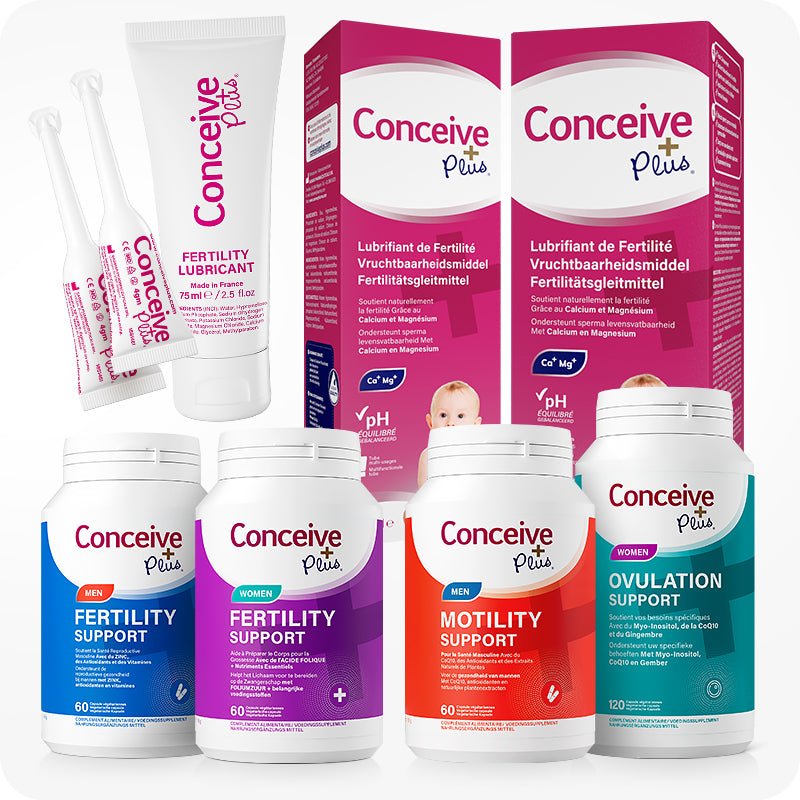
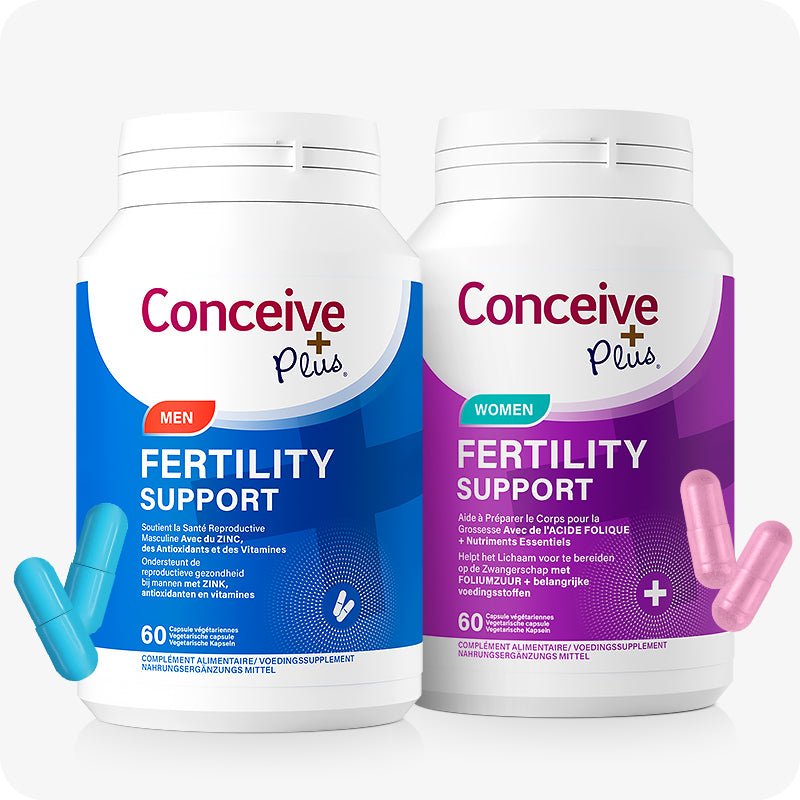
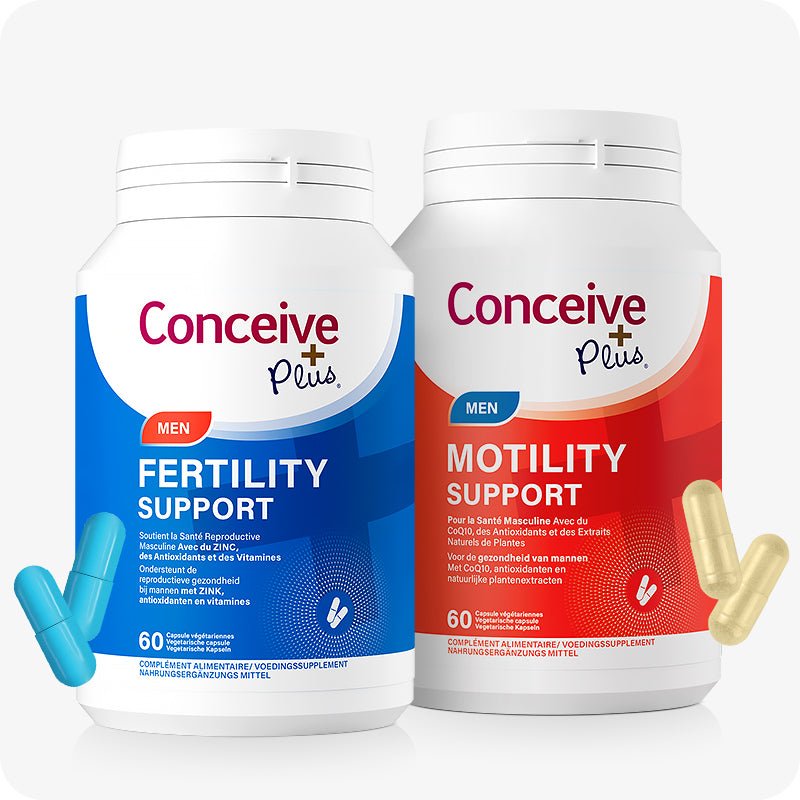
Certains modes de vie rendent plus difficile le maintien de niveaux optimaux uniquement par l'alimentation. Par exemple, les athlètes d'endurance perdent des quantités importantes de zinc par la sueur et l'urine lors de séances d'entraînement intensives. Les hommes souffrant de troubles digestifs comme la maladie cœliaque ou ceux ayant subi une chirurgie gastro-intestinale présentent également un risque accru de carence. Dans ces cas, un supplément à base d'un seul minéral peut sembler simple, mais il peut provoquer des déséquilibres à long terme. Beaucoup d'hommes trouvent que les lots de produits de fertilité offrent une alternative plus sûre et plus complète. Ces formules sont conçues pour fournir un profil équilibré qui soutient la santé des spermatozoïdes tout en apportant d'autres nutriments essentiels. Si vous cherchez une manière structurée de soutenir votre corps, explorez notre gamme complète de solutions de fertilité pour voir quelle option correspond à vos objectifs.
Optimiser votre parcours de fertilité au-delà du zinc
Le zinc est un élément de construction puissant, mais il ne constitue pas toute la base. Bien que nous ayons pris le temps de répondre à la question le zinc aide-t-il la fertilité masculine en examinant les données cliniques, vous ne pouvez pas ignorer les facteurs environnementaux qui influencent vos résultats. Même avec des niveaux parfaits de minéraux, les spermatozoïdes restent très sensibles à leur environnement. Une chaleur excessive dans la région pelvienne, souvent causée par les ordinateurs portables, les sous-vêtements serrés ou les bains chauds, peut ralentir la production. Le stress chronique est un autre obstacle silencieux, car des niveaux élevés de cortisol peuvent supprimer la testostérone même que le zinc aide à équilibrer. Prioriser sept à huit heures de sommeil est tout aussi vital, car votre corps effectue la régulation hormonale la plus importante et la réparation cellulaire pendant que vous reposez.
Suivre vos progrès est tout aussi important que les compléments que vous prenez. Si vous avez apporté des changements significatifs à votre mode de vie ou commencé un nouveau régime nutritionnel, ne vous attendez pas à une transformation du jour au lendemain. Il est utile d’établir une base de référence grâce à une analyse de sperme formelle. Ce test médical fournit des données concrètes sur votre concentration, votre mobilité et votre morphologie, vous permettant de voir exactement où vous en êtes. Si vos résultats montrent des niveaux sous-optimaux, vous pouvez alors utiliser les stratégies que nous avons évoquées pour cibler ces domaines spécifiques. N’oubliez pas que la fertilité est un état dynamique ; elle peut s’améliorer avec un effort constant et les bons outils de soutien.
Le cycle spermatique de 90 jours
La patience est souvent la partie la plus difficile de tout parcours de fertilité. Beaucoup d’hommes commencent une nouvelle routine et se découragent lorsqu’ils ne voient pas de changements immédiats, mais la réalité biologique est beaucoup plus lente. La spermatogenèse, le processus de création de nouveaux spermatozoïdes, prend environ 74 jours, suivis de deux semaines supplémentaires de maturation dans l’épididyme. L’ensemble du processus, de la naissance d’un spermatozoïde dans les testicules à sa pleine maturité et sa préparation à l’éjaculation, s’étend sur environ 90 jours. Cela signifie que les choix de mode de vie et de nutrition que vous faites aujourd’hui ne se refléteront pleinement dans la qualité de votre sperme que dans trois mois. La constance est bien plus efficace que des efforts ponctuels.
Soutien complet pour les couples
La fertilité n'est pas une mission solitaire ; c'est un effort d'équipe qui nécessite que les deux partenaires soient en pleine santé. Pendant que vous vous concentrez sur votre apport en minéraux et votre mode de vie, la santé et le timing de votre partenaire sont tout aussi cruciaux pour réussir. Utiliser des outils comme un calculateur d'ovulation peut éliminer les incertitudes de votre parcours en identifiant la fenêtre la plus fertile chaque mois. Cela garantit que vos efforts sont parfaitement synchronisés avec son cycle. De nombreux couples constatent qu'aborder leur santé ensemble réduit la pression individuelle et l'anxiété souvent associées à la tentative de conception. Pour vous aider à démarrer ce chemin commun, vous pouvez explorer les offres spéciales pour des kits complets de soutien à la fertilité conçus pour vous aider tous les deux à atteindre vos objectifs ensemble.
Faire le prochain pas dans votre parcours de fertilité
Le zinc est clairement plus qu'un simple supplément ; c'est une nécessité biologique vitale pour des spermatozoïdes sains. Bien que la science montre que les plus grands bénéfices concernent ceux qui corrigent une carence, maintenir des niveaux optimaux est une démarche proactive intelligente pour tout homme. Rappelez-vous que la constance sur le cycle de production de 90 jours est ce qui fait vraiment la différence. On ne peut pas précipiter la biologie, mais on peut certainement lui fournir le carburant de haute qualité dont elle a besoin pour réussir.
Alors, le zinc aide-t-il la fertilité masculine ? La réponse est un oui retentissant lorsqu'il fait partie d'une stratégie de santé globale menée par des experts. Si vous êtes prêt à soutenir votre corps avec les bons éléments essentiels, vous pouvez acheter un soutien scientifique formulé pour la fertilité masculine. Nos solutions sont approuvées par des millions de couples dans le monde et formulées par des experts en fertilité pour inclure des minéraux essentiels comme le zinc et le sélénium. Vous avez les faits ; il est maintenant temps de les mettre en pratique. De petits changements constants aujourd'hui peuvent conduire à des résultats qui changent la vie en quelques mois seulement. Restez patient et concentré sur vos objectifs.
Questions fréquemment posées
Combien de temps faut-il pour que le zinc améliore la qualité du sperme ?
Il faut environ 90 jours pour voir l'impact complet du zinc sur vos paramètres spermatiques. Ce délai correspond au cycle biologique de la spermatogenèse, qui nécessite environ 74 jours pour la production et deux semaines supplémentaires pour la maturation. Comme les spermatozoïdes se développent par étapes, vous devez maintenir un apport constant pour garantir que chaque nouvelle cellule dispose des nutriments nécessaires tout au long de son cycle de vie.
Un excès de zinc peut-il réellement nuire à ma fertilité ?
Oui, dépasser la dose maximale tolérable de 40 mg par jour peut être contre-productif pour votre santé reproductive. Alors que des niveaux modérés soutiennent la stabilité de l'ADN, un excès de zinc peut interférer avec l'absorption d'autres minéraux essentiels comme le cuivre. Certaines recherches suggèrent que des doses extrêmement élevées pourraient même augmenter la fragmentation de l'ADN des spermatozoïdes, il est donc vital de rester dans les limites de sécurité recommandées.
Le zinc ou l'acide folique est-il meilleur pour la fertilité masculine ?
Aucun des deux n’est intrinsèquement meilleur car ils remplissent des rôles différents et essentiels dans le système reproducteur. Le zinc est un catalyseur de la division cellulaire et de la stabilisation de l’ADN, tandis que l’acide folique est crucial pour la synthèse même de l’ADN. Bien qu’une grande étude de 2020 ait montré que la supplémentation combinée n’améliorait pas les résultats pour tous les hommes, les deux restent des nutriments fondamentaux qui fonctionnent mieux lorsque vos niveaux de base sont équilibrés.
Le zinc aide-t-il à la dysfonction érectile ou seulement au sperme ?
Le zinc cible principalement la qualité du sperme, mais il peut indirectement soutenir la fonction sexuelle en maintenant des niveaux sains de testostérone. Comme le zinc aide à inhiber la conversion de la testostérone en œstrogène, il soutient l’équilibre hormonal nécessaire à une libido saine. Bien qu’il ne soit pas un traitement médical direct de la dysfonction érectile, corriger une carence peut améliorer la stimulation hormonale requise pour la santé reproductive.
Dois-je prendre le zinc à jeun pour une meilleure absorption ?
Il est généralement conseillé de prendre le zinc avec un repas léger plutôt qu’à jeun pour éviter les troubles digestifs. Beaucoup d’hommes ressentent immédiatement des nausées ou des crampes d’estomac lorsqu’ils prennent du zinc sans nourriture. Bien que certains phytates présents dans les céréales puissent ralentir l’absorption, le bénéfice d’éviter les nausées l’emporte généralement sur la légère diminution de l’absorption. Évitez de le prendre avec des repas riches en calcium pour de meilleurs résultats.
Puis-je obtenir suffisamment de zinc pour la fertilité uniquement par l’alimentation ?
Il est tout à fait possible de couvrir les 11 mg quotidiens recommandés grâce à une alimentation riche en huîtres, viande rouge et graines de courge. Cependant, les hommes suivant un régime végétal ou ayant un niveau d’activité élevé se demandent souvent, le zinc aide-t-il la fertilité masculine davantage par les suppléments, car le zinc d’origine végétale est plus difficile à absorber. Si votre alimentation manque de ces aliments spécifiques, un supplément de qualité peut aider à combler ce déficit.
Quels sont les effets secondaires de la prise de suppléments de zinc pour les hommes ?
Les effets secondaires les plus courants incluent un goût métallique dans la bouche, des nausées et des douleurs occasionnelles à l'estomac. Ces problèmes sont généralement légers et disparaissent souvent si vous prenez le supplément avec de la nourriture. Si vous dépassez régulièrement 40 mg par jour, vous risquez des complications plus graves comme une carence en cuivre ou un affaiblissement du système immunitaire. Respectez toujours la posologie recommandée sauf si votre médecin vous prescrit un plan clinique spécifique.
Le zinc aide-t-il à augmenter les niveaux de testostérone ?
Le zinc aide à augmenter les niveaux de testostérone, en particulier chez les hommes qui partent d'un état de carence. En régulant les enzymes qui gèrent la conversion des hormones, il garantit que votre corps conserve plus de testostérone active disponible. Ce soutien hormonal est l'une des principales raisons pour lesquelles les gens répondent à la question, le zinc aide-t-il la fertilité masculine, car une testostérone saine est le moteur principal de tout le processus de production de spermatozoïdes.